
Live Score: Real-Time Football Data That Tells the Full Story
In a game decided by seconds and centimeters, Live Score is more than a number ticking in the corner of a screen. It is a living stream of truth—goals, shots, cards, substitutions, pressure waves, and tactical shifts—delivered the moment they happen. When organized clearly and interpreted correctly, this flow of events becomes a lens that helps every fan, journalist, and analyst understand why a match is unfolding the way it is. This article explores the anatomy of real-time football data, how to read it like a pro, and the editorial standards that make a trustworthy Live Score service essential to the modern matchday.
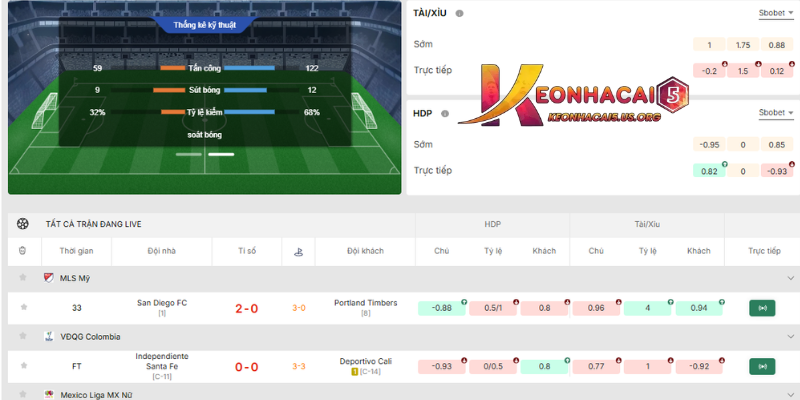
Why Live Score Matters Now
Live football is global, constant, and crowded. Fixtures overlap across time zones, and highlight clips alone can’t keep pace with the action. Live Score fills that gap with minute-by-minute updates: who scored, how the chance was created, who assisted, and how the momentum shifted before and after a critical event. For those who follow tactical nuance, it also aggregates supporting context—possession phases, shot maps, xG swings, pressing intensity, and pass networks—so that the match narrative is as rigorous as it is immediate.
The Anatomy of a High-Quality Live Score
A professional Live Score experience is built on five pillars:
1) Speed with Accuracy
Instant updates matter, but not at the expense of correctness. Elite data pipelines validate events from multiple inputs before publishing, minimizing false positives (e.g., offside goals, mistaken card colors) while keeping delays imperceptible.
2) Structured, Human-Readable Layout
The best interfaces group information logically: scoreline, time, scorers, cards, substitutions, and then advanced stats. A clear hierarchy prevents overload on mobile while allowing power users to dig deeper.
3) Context Over Raw Numbers
A raw 1–0 tells you who leads; context tells you why. When the feed shows that a team attempted six shots in eight minutes and won three high regains, you can connect that goal to a tangible surge in pressure.
4) Consistent Taxonomy
Standardized event labels (e.g., “Big Chance,” “Shot on Target,” “Key Pass”) make history comparable across competitions and seasons. Consistency turns one match into a dataset.
5) Editorial Transparency
Credible Live Score services disclose how they collect data, how quickly they verify events, and what each metric means. Clarity builds trust—and trust builds habit.
Reading Live Score Like an Analyst

Follow the Game in Phases
Football unfolds in waves. Use the timeline to mark momentum swings: a goal, a red card, or even a substitution that flips the flank. Note the five minutes after any goal—teams often concede again during emotional aftershocks.
Balance Scoreline with Shot Quality
Shots and possession can mislead when viewed alone. Track expected goals (xG) by interval: if a team leads 1–0 but trails in cumulative xG, the Live Score suggests a fragile advantage.
Watch the Substitution Matrix
Real-time lineups and role changes explain tactical pivots: a winger turning wing-back, a double pivot morphing into a single pivot to add a 10. The substitution log is a roadmap to coaching intent.
Blend Market Context Carefully
Many fans follow kèo nhà cái alongside Live Score to gauge match expectations. Treat those numbers as context, not prophecy: shifts often mirror injuries, tactical tweaks, or game state (e.g., 10 vs 11). Let the data on the pitch remain your anchor.
Core Components Every Live Score Should Show
Score & Scorers
Goal time, scorer, assistant, and method (open play, set piece, penalty) form the essential headline. Adding shot location and body part improves clarity without clutter.
Cards & Fouls
Card color, minute, and offender’s role affect structure: a full-back’s dismissal reshapes the entire wing; a midfielder’s yellow can mute pressing intensity.
Substitutions & Roles
Beyond names, a good Live Score notes positional effects (e.g., “#8 to #6,” “LW ➝ LWB”), so users can infer systemic changes.
Team Momentum Indicators
Short-form stats—shots in the last 10’, final-third entries, high turnovers—turn a static score into a pulse monitor.
Advanced Metrics, Lightly
Serve xG, shot map thumbnails, and PPDA/field tilt sparingly to avoid overwhelming casual readers. Let details expand on tap.
Live Score Across Competitions
Domestic Leagues
Weekly cadence favors trend spotting. A Live Score stream reveals whether a team is consistently starting slow, conceding late, or thriving in transitional bursts after set pieces.
Continental Tournaments
Two-legged ties hinge on away-goal rules (when applicable), aggregate managers, and line changes. The best Live Score keeps aggregate and tie state visible at all times.
International Windows
Travel, altitude, and short prep windows shape intensity. Live Score context should flag back-to-back fixtures and squad rotations that drive second-half fatigue.
Editorial Standards That Build Trust
Plain-Language Definitions
Explain metrics in simple terms: “xG estimates chance quality; 0.30 xG ≈ 30% probability.” Good definitions reduce misreads.
Clear Source Notes
Citing data origins (“on-site analysts,” “computer vision,” “league feed”) reassures readers that numbers are grounded in verifiable processes.
Versioned Updates
When events are corrected (e.g., goal credit changes from deflection to own goal), mark the revision in the live log. History should be auditable.
Accessibility and UX Essentials
- Mobile-First Typography: Large, legible numerals for the scoreline; consistent spacing for event lists.
- Color with Restraint: Use color to emphasize states (live, HT, FT, red card) while maintaining accessibility.
- Latency Feedback: Tiny “last updated” timestamps improve perceived reliability.
- Quiet Defaults, Rich Depth: Keep the default feed calm; allow expansion into insights for those who want more.
Practical Use Cases for Fans and Editors
- Matchday Companion: Second-screen reading while watching broadcasts—confirming who touched the ball, who pressed, and why a VAR check is taking time.
- Post-Match Review: Convert the live log into a narrative: pressing waves, game-changing substitutions, and set-piece patterns.
- Season Tracking: Aggregate Live Score intervals to evaluate whether late goals are pattern or luck.
Responsible Use of Complementary Context
Real-time feeds can create cognitive overload. Use Live Score as the primary source of truth and supplement with measured context. Keep kèo nhà cái references descriptive rather than prescriptive, and avoid making outcome claims based only on odds shifts. The pitch tells the real story; numbers help you read it.
The Near Future of Live Score
Expect richer computer-vision insights (pass reception body shape, pressure density), more accurate player tracking, and predictive models that surface likely scenarios without overstating certainty. The goal is not to replace intuition but to inform it—helping readers see structure in the chaos of a fast game.
Conclusion: See the Match Beneath the Score
Live Score is the heartbeat of modern football coverage: fast, disciplined, and honest about what truly happened on the pitch. When a feed respects accuracy, context, and clarity, it empowers readers to move beyond headline numbers and into the craft of the game—pressing triggers, rest-defense layouts, and momentum swings that turn small details into decisive moments. If you care about understanding football as it unfolds, make live data your steady companion: read the timeline, study the surges, and let the match reveal itself in real time.
A gentle next step: follow your next fixture through a high-quality Live Score feed, take notes on momentum changes, and compare them with post-match analysis—you’ll never watch football the same way again.