
Is Aluminum the Better Choice for Folding Windows? Comparing Wood and uPVC
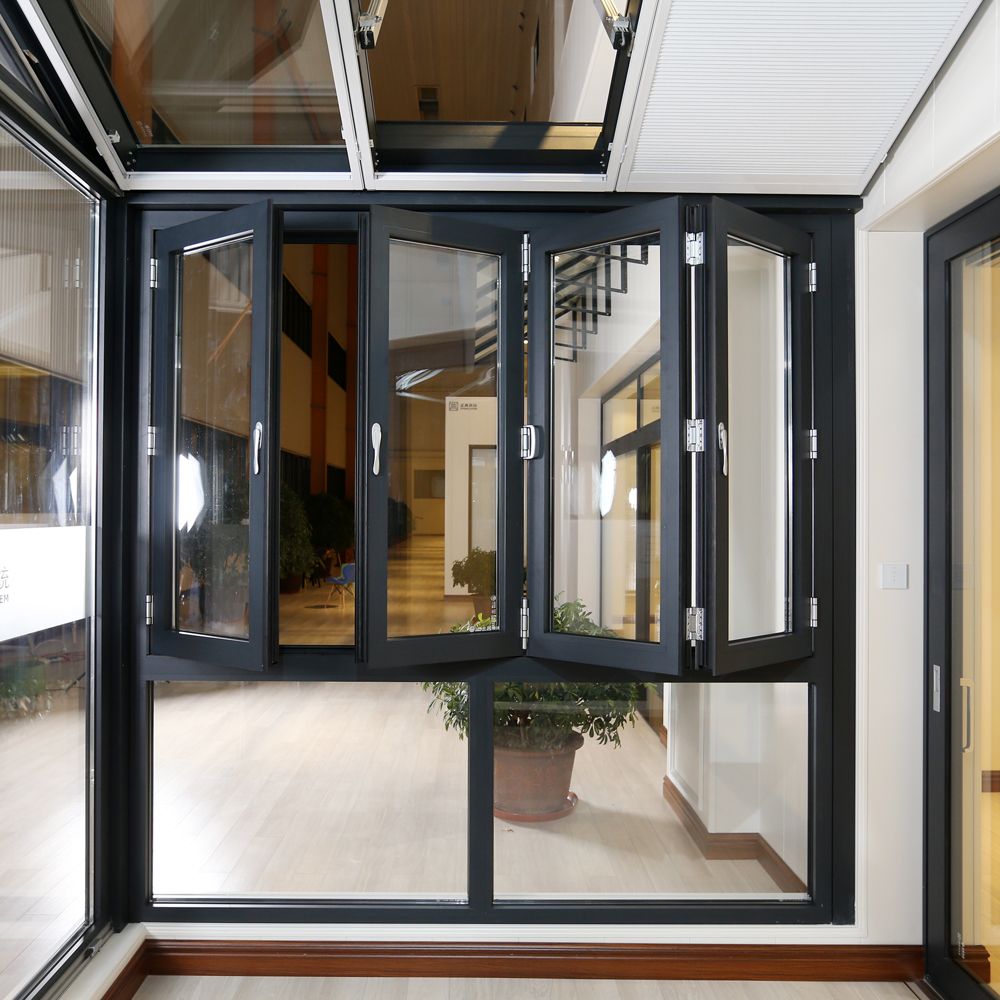
Choosing the right material for your folding windows can have a significant impact on your home’s functionality, aesthetics, and efficiency. Folding windows, also known as bi-fold windows, are increasingly popular for modern homes and commercial spaces due to their ability to create a seamless connection between indoor and outdoor areas. When making this decision, aluminum, wood, and uPVC are three of the most commonly considered materials—with aluminum frequently coming out on top.
In this blog, we’ll compare aluminum, wood, and uPVC folding windows across crucial factors like durability, design flexibility, maintenance, cost, and energy efficiency. By the end, you’ll understand why aluminum folding windows often emerge as the better choice for most homeowners and professionals.
Why Are Folding Windows Popular?
Folding windows consist of multiple panels that fold and stack neatly to one side, allowing maximum ventilation, unobstructed views, and seamless indoor-outdoor connectivity. These windows are perfect for:
Balconies
Patios
Kitchens
Living spaces
Their space-saving design, versatility, and aesthetic appeal make folding windows a premium choice for contemporary and open-concept homes.
However, the material you choose for your folding windows determines their long-term performance, ease of use, and style. Let’s explore how aluminum, wood, and uPVC match up.
1.Strength and Durability
Aluminum Folding Windows
Superior Strength: Aluminum is one of the strongest materials for folding windows, capable of supporting large glass panels without requiring overly thick frames.
Durable Performance: Aluminum frames are highly resistant to wear and tear, including issues like warping, cracking, or splitting, ensuring long-term durability.
Weather Resistance: Aluminum does not absorb moisture, making it suitable for challenging environments, including high humidity, rain, and coastal conditions.
Wood Folding Windows
Strong but Vulnerable: While wood is a strong material, it is prone to warping, cracking, and rotting when exposed to moisture or humidity. This can cause functionality issues for folding windows that need smooth operation.
Not Ideal for High-Stress Applications: Wood requires more maintenance over time to retain its structural integrity and appearance, especially in high-use areas like folding windows.
uPVC Folding Windows
Moderate Strength: uPVC performs well for basic window designs, but due to its lower structural strength, it is not ideal for folding windows that feature wide spans or large glass panels.
Warping Risks: uPVC may warp or weaken over time when exposed to extreme heat (direct sunlight) or heavy, frequent use.
Winner: Aluminum folding windows provide the best durability and consistent performance over time, even in harsh weather conditions or with regular use.
2.Sleek and Modern Aesthetics
Aluminum Folding Windows
Slim Profiles: Aluminum’s high strength allows for thinner frames that maximize the glass area, providing uncluttered views and sleek, modern aesthetics.
Customizable Finishes: With powder coating or anodized options, aluminum frames can be finished in various colors and textures, including matte, metallic, or custom shades, to suit any decor style.
Contemporary Appeal: Aluminum folding windows are synonymous with modern, minimalist, and industrial-style designs, making them the preferred choice for contemporary homes.
Wood Folding Windows
Traditional Elegance: Wood offers a warm and classic look that is perfect for traditional, farmhouse, or rustic decor styles.
Thicker Profiles: Because wood lacks the strength of aluminum, wooden folding window frames are often thicker, which can reduce the overall glass exposure and light entry.
Limited Colors: Wood is customizable through painting or staining, but the options are less dynamic than aluminum’s finishes.
uPVC Folding Windows
Functional but Less Sophisticated: uPVC has a bulkier appearance due to its lower strength, which compromises the streamlined look of folding windows.
Basic Color Options: uPVC offers fewer color and texture options compared to aluminum and tends to discolor or fade over time when exposed to UV light.
Winner: Aluminum folding windows offer unmatched modern aesthetics with slim profiles, large glass panels, and endless customization options.
3.Maintenance
Aluminum Folding Windows
Low Maintenance: Aluminum requires minimal upkeep. It is resistant to rust, corrosion, and pests, and the powder-coated surface ensures easy cleaning with occasional wiping.
Long-Lasting Finishes: Aluminum’s protective finishes do not peel or degrade quickly, even in challenging environments like coastal areas.
Wood Folding Windows
High Maintenance: Wood requires regular care, such as staining, painting, or sealing, to protect it from moisture, pests, and wear. Neglecting maintenance can lead to rot, fading, or warping.
Vulnerability to Decay: If not treated consistently, wood may degrade more quickly, requiring costly repairs or replacements.
uPVC Folding Windows
Easy but Limited Durability: uPVC windows are low maintenance but may discolor or crack over time, especially when exposed to harsh sunlight or fluctuating temperatures.
Winner: Aluminum folding windows are the easiest to maintain and offer excellent longevity without the frequent upkeep required by wood or the durability concerns of uPVC.
4.Energy Efficiency
Aluminum Folding Windows
Thermal Break Technology: Modern aluminum frames now include thermal breaks—polyamide barriers built into the frames—to improve insulation and reduce heat transfer. This makes modern aluminum windows highly energy-efficient and suitable for temperature regulation in both hot and cold climates.
Sealing Efficiency: Aluminum frames can easily support double- or triple-glazed glass, further boosting their insulation properties.
Wood Folding Windows
Natural Insulation: Wood is an excellent natural insulator and can help regulate indoor temperatures effectively. However, its insulation can degrade over time if the frame sustains damage or is not properly sealed.
uPVC Folding Windows
Good Insulation: uPVC is inherently insulating and performs well in conserving energy. However, low-quality uPVC can deteriorate under extreme heat or exposure to UV rays, which can reduce its efficiency.
Winner: Both aluminum with thermal breaks and wooden frames offer strong energy efficiency, but aluminum’s modern advancements and durability give it the edge.
5.Space Efficiency and Functionality
Aluminum Folding Windows
Smooth Operation: Aluminum frames are lightweight yet sturdy, allowing for smooth, effortless folding. They don’t place additional strain on the sliding or folding tracks, ensuring long-term functionality.
Large Spans: Aluminum’s strength allows for wider and taller folding windows without compromising stability, making them ideal for spaces requiring large openings.
Wood Folding Windows
Heavier Material: Wooden folding windows are significantly heavier, which can cause strain on folding mechanisms over time, leading to more frequent wear and tear.
Limited Spanning Ability: Wood is not as strong as aluminum and thus is less capable of supporting large spans without thicker (bulky) frames.
uPVC Folding Windows
Challenges with Large Designs: Due to its lower structural integrity, uPVC isn’t well-suited for handling large glass panels or wide openings in folding windows. Tracks and mechanisms may also struggle to support the weight over time.
Winner: Aluminum folding windows offer superior functionality for wider openings and consistent, smooth operation over years of use.
6.Cost and Value Over Time
Aluminum Folding Windows
Affordable Long-Term Investment: Aluminum windows come at a mid-range cost but provide excellent durability and low maintenance, making them a cost-effective option over their lifespan.
High Resale Value: Aluminum’s modern aesthetics and durability often increase a property’s value.
Wood Folding Windows
High Initial Cost: Wooden windows are typically the most expensive option upfront due to the wood’s craftsmanship.
Ongoing Costs: Regular maintenance, repairs, and refinishing significantly add to the long-term costs of owning wood folding windows.
uPVC Folding Windows
Budget-Friendly: uPVC is the most affordable option upfront, making it appealing for homeowners with limited budgets. However, frequent replacements due to its shorter lifespan and lower strength can increase long-term costs.
Winner: Aluminum folding windows provide the best balance of affordability, durability, and long-term value.
Why Aluminum Folding Windows Are the Best Choice
When comparing aluminum, wood, and uPVC for folding windows, aluminum emerges as the clear winner in almost every category. From durability to aesthetics to energy efficiency, aluminum folding windows offer the perfect combination of modern design, reliability, and long-term value.
Why Choose Aluminum Folding Windows?
Strong and Durable: Resistant to corrosion, warping, and extreme conditions.
Modern, Sleek Aesthetics: Slim profiles, versatile finishes, and excellent compatibility with contemporary designs.
Low Maintenance: Minimal upkeep compared to wood and uPVC.
Energy Efficiency: Advanced thermal break technology ensures exceptional insulation.
Space Efficiency: Ideal for large openings and smooth operation.
Cost-Effective: Long-lasting performance with low maintenance expenses.
Sustainability: Aluminum is 100% recyclable, making it eco-friendly.
While wood may suit traditional settings and uPVC works for limited budgets, aluminum folding windows stand out as the ultimate choice for those looking for a durable, stylish, and practical solution that lasts for decades.