
How to Enjoy Sports Live Streams Anywhere on Your Smartphone
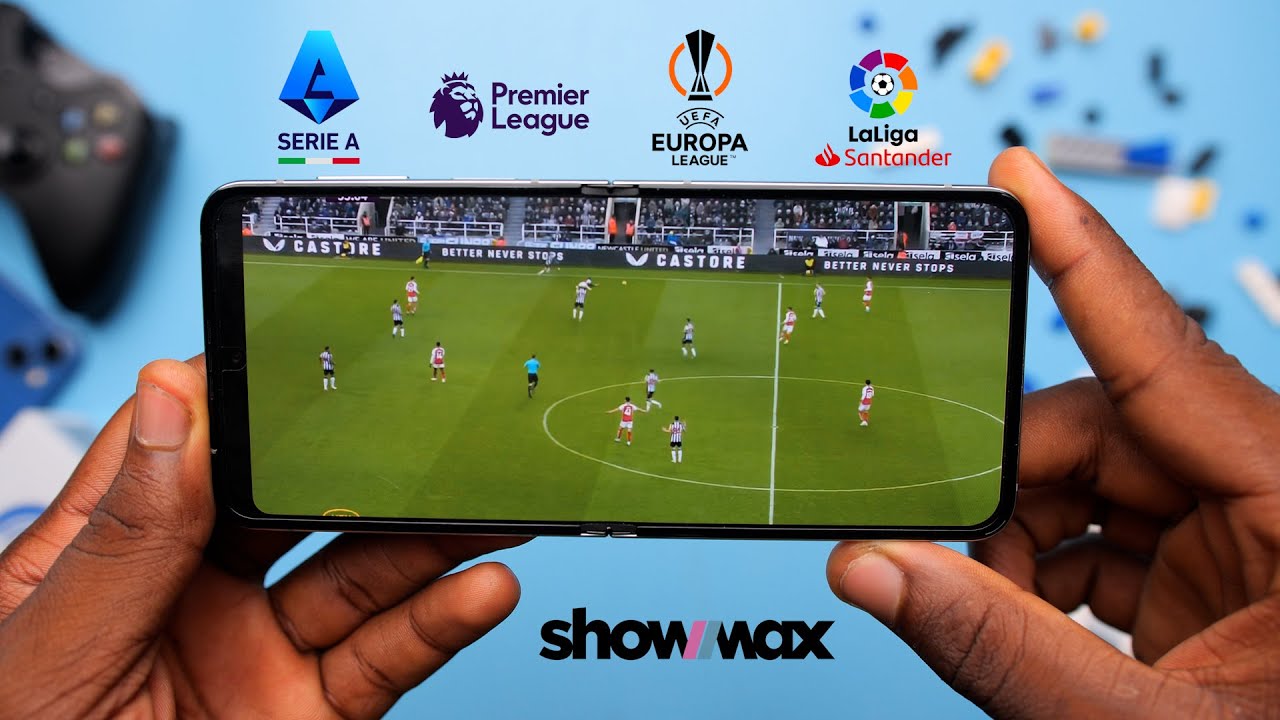
The World Cup in a Backpack
There is a specific kind of anxiety that only a sports fan understands—the fear of being in transit during “The Match.” I remember it vividly: I was on a night train from Bangkok to Chiang Mai, the rhythm of the rails clattering beneath me, while my team was playing a crucial derby back in London. A decade ago, this would have been a radio-silence nightmare. I would have landed the next morning, rushing to find a newspaper or an internet cafe to see the score, terrified of spoilers.
But that night, huddled in my bunk with a sporadic 4G signal and a portable battery pack, I wasn’t just a traveler; I was part of the stadium crowd. The glow of my smartphone screen was my portal. This experience taught me that being a “Digital Nomad” doesn’t mean disconnecting from your passions. In fact, watching live sports on the road—whether in a bustling airport terminal or a quiet mountain cabin—has become one of my most cherished travel rituals. It is the perfect blend of global exploration and local connection.
The Gear: Packing for the Digital Stadium
Over years of traveling, I have refined my “Mobile Stadium” setup. It’s not just about having a phone; it’s about optimization. The first rule of thumb: Battery is life. Streaming live video is a power-hungry beast. I never board a plane or train without a 20,000mAh power bank. It is the lifeline that ensures I don’t get cut off in the 89th minute.
The second essential is audio. While I love the roar of the crowd, my fellow passengers do not. A good pair of noise-cancelling headphones is non-negotiable. They create an immersive bubble, blocking out the engine noise and the crying babies, leaving you alone with the commentary. This isolation is magical. You could be physically in a chaotic bus station, but mentally, you are courtside. I also learned the hard way that finding a reliable stream is an art form. In moments of desperation, when official apps were geoblocked, I turned to trusted portals for 스포츠중계 (sports broadcasting) that I had bookmarked for emergencies. Knowing you have a reliable access point that works across borders is the difference between watching history happen and reading about it later.
Data Management: The Nomad’s Currency
The biggest enemy of the mobile sports fan is the data cap. Streaming a full football match in HD can chew through 2GB to 3GB of data effortlessly. When you are roaming or using a limited tourist SIM, this is a luxury you cannot afford. I have become a master of “Data Hygiene.”
Most streaming apps have quality settings hidden in the menus. I always manually set my stream to 480p or 720p when on mobile data. On a 6-inch screen, the visual difference is negligible, but the data savings are massive. It is the difference between watching one game and watching three. I also aggressively hunt for Wi-Fi, but with caution. Public Wi-Fi is often slow and insecure. This is where a lightweight VPN becomes part of the toolkit, not just for security, but to stabilize the connection path.
The “Geoblock” Hurdle and Freedom
One of the strangest feelings is paying for a subscription service at home, only to fly to another country and be told, “This content is not available in your region.” It feels like a digital border patrol. This is why the savvy traveler always has alternatives.
During a layover in Dubai, I wanted to catch a late-night La Liga game. My usual app was blocked. Instead of giving up, I utilized a global aggregator service known for 해외축구 무료실시간tv중계 (free overseas soccer live TV broadcasting). It was a revelation. Not only did it bypass the regional restrictions, but the stream was surprisingly stable despite the airport’s congested network. These platforms are often the unsung heroes for international travelers, providing a universal language of sports that ignores geographical borders.
The Shared Screen: Making Friends on the Road
Perhaps the most unexpected joy of smartphone streaming is its social magnet capability. I was once watching a Champions League final on my phone at a hostel bar in Lisbon. A guy from Brazil peered over my shoulder, then a girl from Germany joined in. Before I knew it, five of us were huddled around this tiny glowing rectangle, cheering in three different languages.
We didn’t share a culture or a travel itinerary, but we shared the game. That 6-inch screen became a campfire. We bought rounds of drinks, argued about VAR decisions, and celebrated goals together. The smartphone, often accused of isolating us, in this context, brought us together. It proved that the passion for sports is a universal currency, and technology is merely the wallet that carries it.
The World is Your Living Room
Today, I no longer fear the travel schedule. I don’t check flight times against kick-off times with dread. I know that as long as I have a signal, I have a seat. The evolution of mobile technology has turned the entire world into a living room. Whether I am on a ferry crossing the Bosphorus or waiting for a bus in the Andes, the game is always with me. For the modern sports fan, home isn’t a place; it’s wherever the Wi-Fi connects.