
How Street Sports Came Back Stronger After COVID—and Why They Matter More Than Ever
Back in 2019, a stroll through Dhaka, Chattogram, or almost any town could suddenly feel like stepping onto a community game day. Teenagers would hammer together goalposts from old crates, swap the cricket ball for a football, and lose track of time kicking up dust and laughter. Outside tea stalls, Kabaddi matches popped up, cheered on by seasoned spectators perched on colorful plastic chairs. Then COVID changed everything. The usual buzz all but vanished. Cricket bats stood propped against walls, footballs gathered cobwebs under porches, and parkour fans traded rooftops for cramped rooms.
Lockdown Lessons on the Pavement
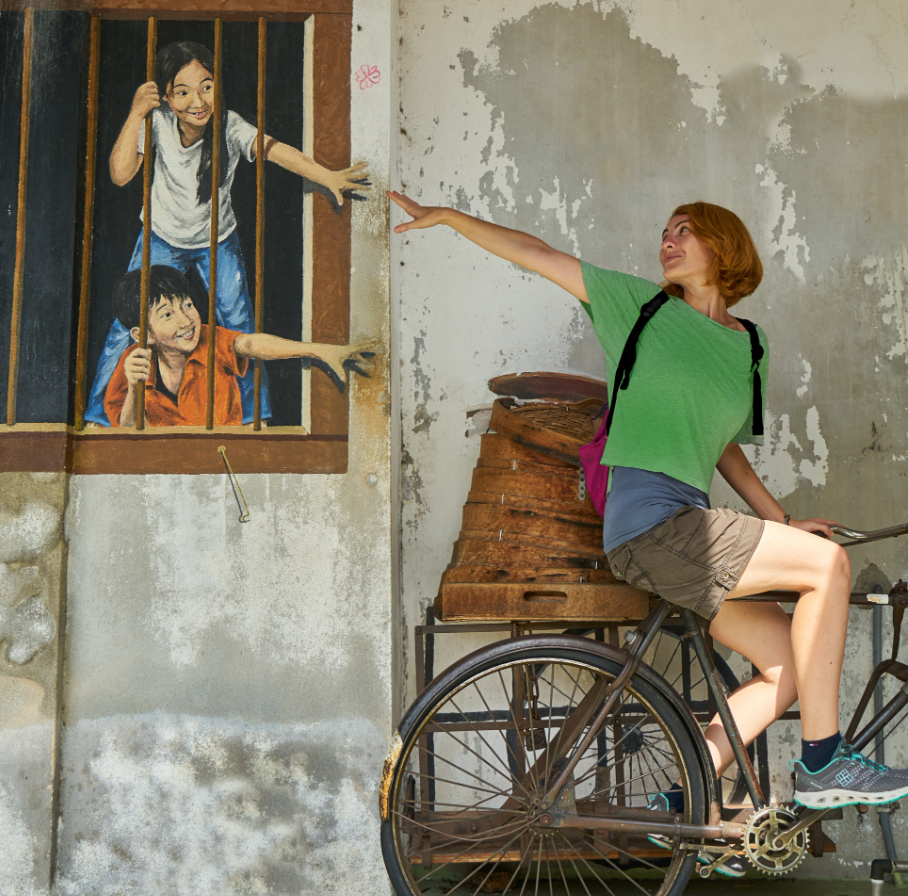
When the first lockdowns shut down parks and courts, folks got creative. I heard about a group in Mirpur who chalked speed ladders on their narrow street and raced in masks, timed by phone stopwatches. Upon a Dhaka rooftop, a family drilled free throws into a cement hoop carved into the wall, pausing only to wipe down the ball with sanitizer. Solo runners in Cox’s Bazar transformed winding coastal roads into personal tracks at dawn, using palm trees as mile markers. However, many were still able to visit online casino Bangladesh with comfort and without risking COVID-19 infection.
These little at-home workouts kept our bodies-and our moods-from clocking out. Living rooms everywhere buzzed with Zumba clips and push-up duels just to stay moving. Still, we all felt it wasn’t quite the same. The real charm of street sports lives in the goofy laughter after a wild miss, the solid crack of a ball on rickety goalposts, and the crowd’s happy cheer that sneaks under your skin.
The First Games Back
The first lockdown eased, and suddenly that long-missed scent of sweat and fresh air mixed on one sun-baked concrete court. Masks still hugged the lower face, and hand signs took the place of whistles, yet nobody cared. Cricketers squirted gel before every innings, and kabaddi players stood a fingertip apart while the chant filled empty stands. Then the whistle-less roar of sliding tackles, high fives, and laughter surged back, loud, unedited, and astonishingly normal.
Why Street Sports Matter Now
After the pandemic, we all changed how we spend our time. Kids traded skate tricks and pickup games for long stretches on their tablets. Office workers moved from messy bedroom desks to drafty living-room gyms. Soon, screen fatigue began to set in, accompanied by tight shoulders and restless minds. Street sports are the cure:
- Once you swing open the door, a breath of fresh air takes on real weight. Sunlight, a light breeze, and those four walls suddenly stop feeling like boxes.
- A quick mental reset is easier than you think. Five minutes of kicking a ball, jumping rope, or even shimmying in place outside clears your head faster than scrolling through social feeds.
- Tight-knit communities pop up almost overnight. Neighbours who once nodded half-heartedly now ask how you’re feeling—and how your jump shot is coming along.
- Best part? It’s wallet-friendly fitness. You don’t need a fancy gym pass; a second-hand ball, an old bat, or even chalk to sketch a court does the trick.
| Benefit | What It Brings to Street Play |
| Physical workout | Heart-pounding exercise without a gym |
| Stress relief | Instant mood lift and endorphin rush |
| Social reconnection | Stronger bonds among neighbours and friends |
| Low entry barrier | Anyone can join—no fancy gear required |
Fresh Twists on Old Classics
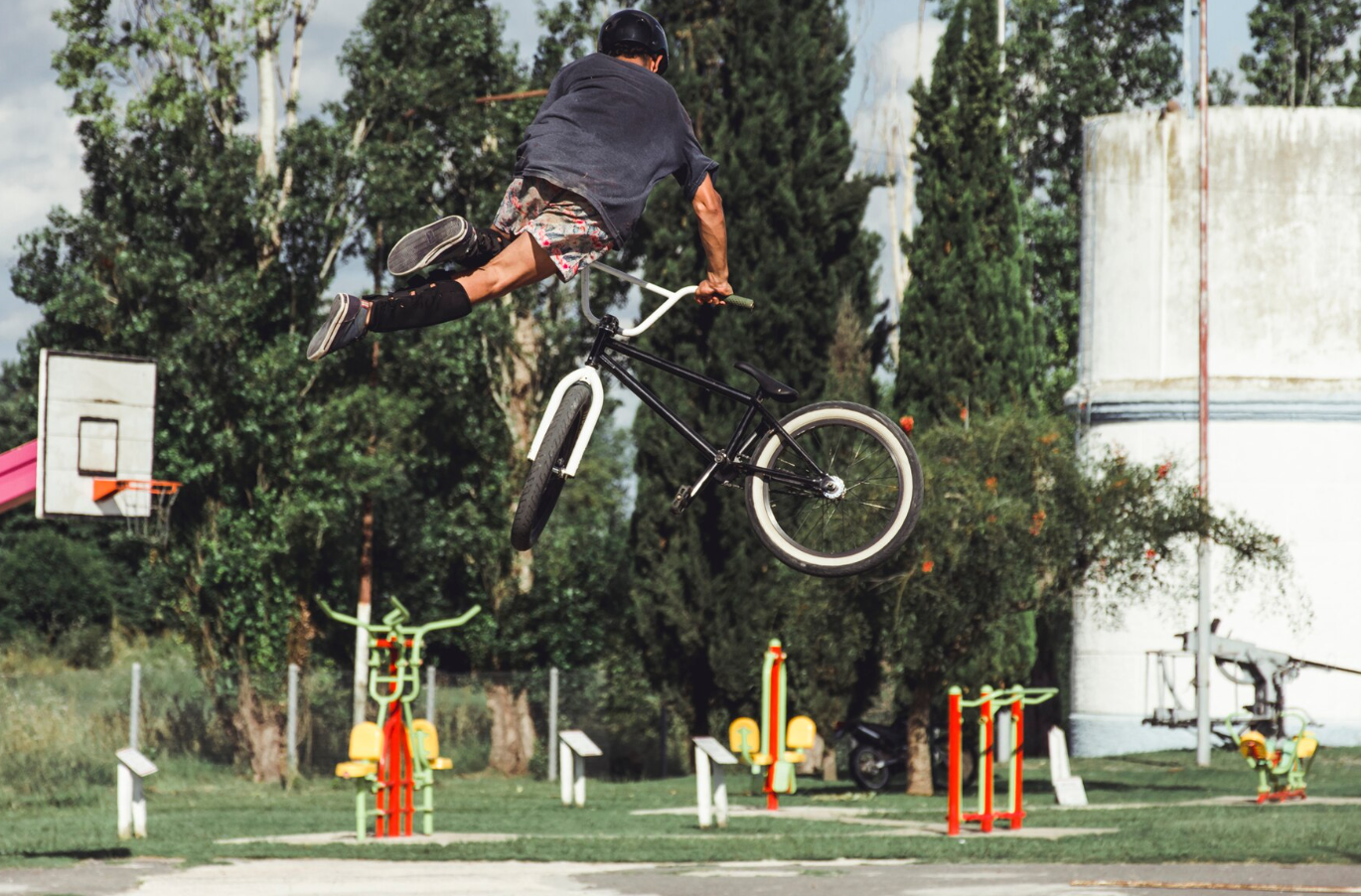
Street sports in Bangladesh are rewriting the rule book-and having a blast while they do it. In Narayanganj, teenagers are stringing laundry poles between two walls to create makeshift hoops, and they roar with joy every time a wild three-pointer drops. In Rajshahi, freestyle football duels have taken over TikTok, with players juggling, flipping, and shouting for bragging rights as friends send voice notes from home. Meanwhile, early birds in Sylhet are tracing back roads for lightning-fast bike laps, trading times and secret shortcuts over WhatsApp before the sun even peeks up.
None of these stunts puts up a barrier; everyone is welcome, from the veteran street champ to the kid who is tying sneakers for the first time. The scenes prove that the urge to play always finds a way-it just needs space, friends, and a little imagination, polished court or official pitch be damned.
Safety and Spirit, Hand in Hand
One of the biggest lessons was learning to stay safe without losing the fun. Community organizers and youth clubs rolled out simple rules:
- Bring your gear—no sharing bats or gloves.
- Sanitize balls between turns (hand sanitizer stations by the court!).
- Keep sessions short—fifteen minutes of high-energy play, then a break.
- Rotate small groups—fresh faces mean fresh energy and fewer crowds.
Schools got on board, too. After seeing how kids lit up at street courts, they invited coaches for post-class mini-games with basic distancing. PE classes now combine drills with brief street-sport showdowns, teaching kids the old-school rules alongside safety smarts.
Final Thoughts: The Streets Are Calling
Take a slow walk down any back alley these days, and you can almost hear the echoes of old street games—bats tapping, trainers sliding, those loud kabaddi cheers rising with the evening air. Well, spoiler alert: those sounds are coming back, and they are coming back with volume. Street sports remind us that having fun matters just as much as working or binge-watching the latest show. It keeps our muscles awake, links us with neighbours we hardly know, and puts the city’s pulse back in place after months of hush.
So, dust off those sneakers, dig out a ball, or ping a couple of friends to crash onto the nearest slab of concrete. The open roads are waiting, loaded with possibility and fresh laughs. All you need is a pinch of courage, a drip of sweat, and kabaddi, kabaddi, kabaddi thumping in your brain. Now go on—take the first bounce, and see where it leads.