
How Slots Borrow Ideas From Arcade and Mobile Games
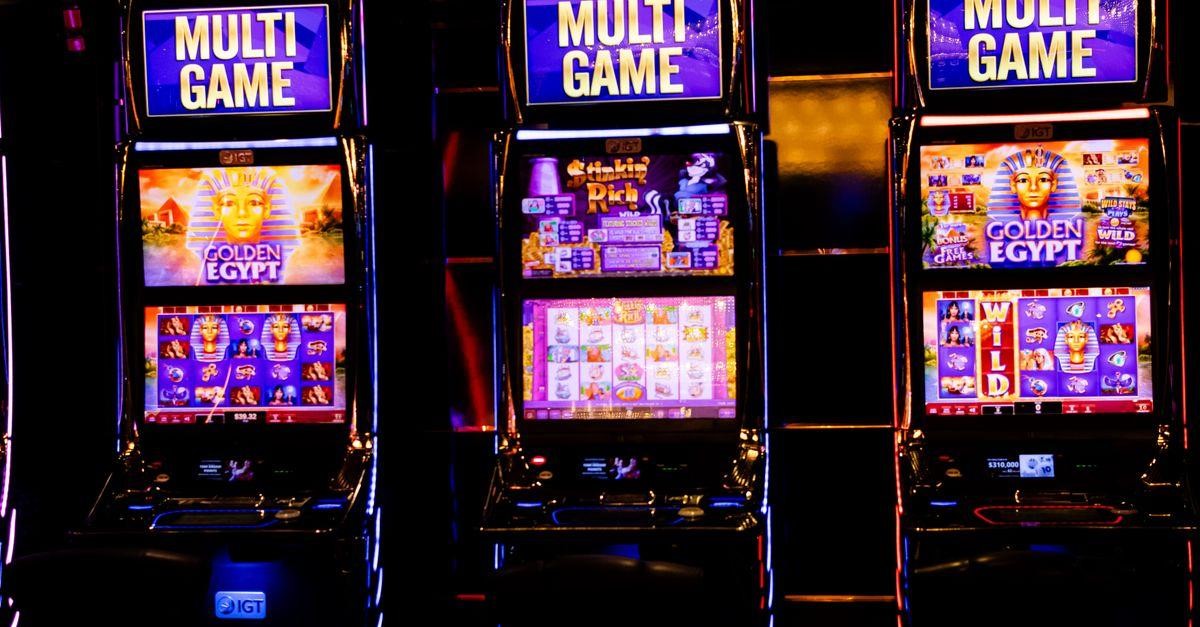
Why do slot games feel so familiar to anyone who has spent time with arcade machines or mobile apps?
The answer is that modern slots borrow a lot from both. They use fast feedback, bright visuals, short reward cycles, and simple controls to keep each spin easy to read and easy to repeat. Those ideas did not start in casino software, but slots have adapted them in ways that fit spinning reels and prize systems very well.
That mix matters because players respond strongly to the same signals that keep arcade and mobile games moving. Sound effects, level-style progress, bonus triggers, and collectible features all make slots feel active even when the main action is simple. The result is a style of play that feels familiar across different types of games while still staying true to slot mechanics.
Shared Design Ideas
Slots and casual games often rely on the same basic pattern: quick action, instant feedback, and short pauses between outcomes.
Fast Results Keep Attention
Arcade games usually reward players within seconds, and mobile games do the same with taps, swipes, and rapid score changes. Slots use that same timing. Each spin ends quickly, and the result appears right away, so the player never waits long for a reaction. That speed keeps attention focused because every round creates a fresh outcome.
The format works because people naturally respond to immediate feedback. A bright symbol landing on a reel or a bonus icon flashing into place creates a small burst of interest. That feeling is very close to the instant feedback loop used in arcade and mobile play.
Simple Controls Lower The Barrier
Many arcade and mobile games succeed because they are easy to start. Slots follow the same idea by keeping the main input simple: press, spin, wait, repeat. That simplicity makes the game readable for a wide audience, since no long manual or complex control scheme is needed.
This is also why slot layouts often use large buttons, clear icons, and direct visual cues. The user can understand the action at a glance, which matches the design logic of touch-based games and coin-operated cabinets. A player does not need a long learning curve to follow what is happening on screen.
Visual Style And Motion
Slots borrow a lot from the visual language of arcade cabinets and mobile interfaces.
Bright Art And Clear Signals
Arcade games have long used vivid colors, bold shapes, and sharp animations to stand out in noisy spaces. Mobile games use the same tactic because a screen needs to communicate fast and cleanly. Slots apply that same visual strategy with glowing symbols, animated frames, and clear win indicators that are easy to read in a split second.
That style does more than decorate the screen. It tells the player what just happened and what matters next. A flashing line, a pulsing symbol, or a changing background can signal a feature without a long explanation. That makes the experience feel active and organized at the same time.
Micro-Animations Add Energy
Small motion details are another clear borrow from arcade and mobile games. Coins bouncing, symbols spinning, reels snapping into place, and icons popping upward all create a sense of movement beyond the basic spin. These effects help a slot feel alive even during short stretches with no major reward.
That same idea shows up in mobile puzzle games and old arcade titles, where tiny visual reactions make each tap feel meaningful. Slots use motion to mark small events, not just big wins, and that keeps the pace from feeling flat. A subtle animation can make a routine result feel more satisfying because it confirms the action clearly.
Some themed slot layouts even borrow presentation tricks from casual games so directly that they feel instantly familiar. A player who has spent time with slot88 style interfaces will likely notice how much of the visual rhythm comes from the same quick-response habits found in mobile play.
Progress Systems And Reward Loops
Slots also take ideas from arcade score systems and mobile progression features.
Bonus Rounds Work Like Level Breaks
Arcade games often break play into stages, and mobile games often separate normal play from challenge screens or bonus tasks. Slots do something similar through free-spin rounds, pick features, or special symbol events. These breaks give the player a change in pace without leaving the main game format.
The value of that structure is that it creates contrast. A standard spin feels different from a bonus round because the rules shift for a short time. That shift is similar to moving from a basic level to a special stage in an arcade game, where the player gets a fresh pattern to follow.
Collectibles And Trackable Goals
Mobile games often use collections, meter fills, and unlock tracks to keep players aware of progress. Slots use the same kind of logic with meters, token counts, symbol sets, and feature buildup. Even when the core result still depends on a spin, the visible progress gives the player a second layer of feedback.
This matters because the screen is no longer only showing wins and losses. It is also showing movement toward a feature or a bonus state. That extra structure is one reason many modern slots feel closer to casual games than to older reel machines. Progress markers make the play session feel organized, even if the main action stays simple.
Sound And Feedback Patterns
Audio design is one of the clearest places where slots borrow from arcade and mobile game habits.
Sound Effects Mark Every Result
Arcade games have always used sound to confirm actions, and mobile games do the same with taps, hits, and menu clicks. Slots rely on the same principle. Reel stops, symbol matches, near misses, and wins all get distinct sound cues so the player hears the result as well as sees it.
This audio layer helps each spin feel separate from the last one. A short chime or rising effect gives the brain a quick signal that something changed. That creates a stronger sense of response, which is one reason modern slots feel more animated than older mechanical versions.
Music Changes To Match Pace
Many arcade and mobile games shift music to match intensity, and slots do the same during bonus events or win sequences. Calm background loops keep the base play steady, while more active music can take over during special moments. That change gives the session shape without changing the core rules.
Music also helps signal importance. A faster beat can tell the player that a feature is active, while a softer loop can keep the normal spin cycle from feeling too busy. The audio structure works much like a casual game soundtrack, where the pace of sound tells the player how to read the action.
Short Session Design
Slots fit the same play style that made mobile games so popular: short sessions that can start and stop easily.
Repeatability Matters
Arcade games were built around replay value, since players often returned to beat scores or try again after a fast loss. Mobile games carry that same habit through short bursts of play on a phone. Slots use the same logic by making each spin independent and easy to repeat, so the player can stay in the same rhythm without learning a new system.
That repeatability is helped by the fact that every spin is a complete action. There is no need to remember a long chain of commands or complex map structure. The player can come back after a pause and pick up the same pace immediately, which is very similar to opening a quick mobile game session.
Touch-Friendly Presentation
Slots have also adapted the clean, tap-ready layout found in mobile games. Large interactive areas, clear spacing, and direct visual prompts make the screen feel readable on a small display or a larger one. That layout reduces friction and keeps the player focused on the spin cycle.
The result is a format that feels native to modern screens. The design does not try to hide its simplicity. Instead, it uses that simplicity as part of the appeal, much like arcade classics and mobile puzzles that depend on fast recognition and immediate response.
That is also why some players compare modern slots to titles they already know from casual play, including formats tied to slot jackpot style reward pacing. The connection comes from the way both types of games turn repeated small events into a steady rhythm of feedback.
Why The Borrowing Works
The strongest reason slots borrow from arcade and mobile games is that the shared ideas already fit the way people play on screens.
Familiarity Reduces Learning Time
Players do not need to figure out a complicated control set or obscure rulebook. The spin action is direct, the feedback is immediate, and the visual language is easy to read. That familiarity helps the game feel approachable from the first moment, which is exactly why arcade and mobile design principles transfer so well.
Slots also benefit from the fact that these borrowed features support short bursts of attention. Flashing icons, quick sound cues, and small progress markers keep the experience moving without forcing the player to manage too much at once. That balance is the main reason the connection between slots, arcade games, and mobile games feels so natural.
In the end, the overlap is not a coincidence. Slots have taken the most effective ideas from arcade and mobile design and adapted them to spinning reels, so the result feels modern, readable, and easy to follow from spin to spin.