
How Does 5G Enhance Live Sports Streaming Experience?
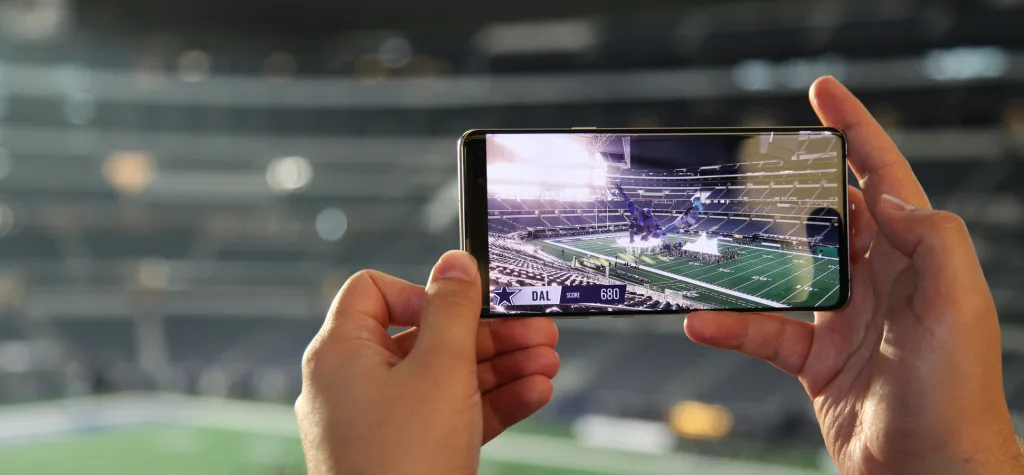
Live sports streaming has become a core part of modern entertainment. Fans no longer rely solely on traditional television broadcasts to watch matches. Instead, they expect to stream live games on mobile devices, laptops, and smart TVs with minimal delay and maximum quality. As expectations continue to rise, network technology must evolve to support them. This is where 5G plays a transformative role.
5G is not just an incremental upgrade from previous mobile networks. It represents a fundamental shift in speed, responsiveness, and reliability. These improvements directly enhance how live sports content is delivered and experienced by viewers around the world.
The Growing Demand for Live Sports Streaming
Sports fans today want instant access to live games, regardless of location. Whether commuting, traveling, or multitasking at home, viewers expect seamless streaming without interruptions. This demand has grown alongside mobile device usage and high-definition content.
Traditional networks often struggle under the pressure of millions of simultaneous viewers, especially during major sporting events. Buffering, lag, and reduced video quality can frustrate users and break immersion. 5G addresses these challenges by providing the capacity and performance required for large-scale live sports streaming like 매직티비.
What Makes 5G Different from Previous Networks?
5G introduces several technical advancements that significantly outperform 4G and earlier technologies. These improvements are not just about faster download speeds but also about how data is transmitted and managed.
Key differences include:
- Ultra-high data transfer speeds
- Extremely low latency
- Greater network capacity
- More stable connections in crowded environments
Together, these features create the foundation for a superior live sports streaming experience.
Faster Speeds for High-Quality Video Streaming
One of the most noticeable benefits of 5G is speed. With significantly higher bandwidth, 5G allows sports streams to load almost instantly and talonchill maintain high resolution throughout the match.
Faster speeds enable:
- Full HD and 4K streaming on mobile devices
- Quick loading of live feeds and replays
- Smooth playback during fast-paced action
This ensures that viewers do not miss crucial moments due to quality drops or buffering delays.
Ultra-Low Latency for Real-Time Action
Latency refers to the delay between the live event and what appears on a viewer’s screen. In sports, even a few seconds of delay can impact the experience, especially when fans follow live updates or social media commentary.
5G dramatically reduces latency, allowing:
- Near real-time viewing of live matches
- Faster response for interactive features
- Synchronized experiences across devices
Low latency makes streaming feel more like being in the stadium, where reactions happen instantly.
Improved Stability During High-Traffic Events
Major sporting events attract massive audiences, often overwhelming traditional networks. Congested networks lead to dropped connections and inconsistent streaming quality.
5G is designed to handle high user density more efficiently. This means:
- More viewers can stream simultaneously without issues
- Stable performance even in crowded areas
- Reduced risk of service interruptions
For live sports, this reliability is essential during peak moments when millions tune in at once.
Enhanced Mobile Viewing Experience
Mobile streaming is one of the fastest-growing ways people watch sports. 5G significantly enhances mobile viewing by eliminating many of the limitations associated with earlier networks.
With 5G, users can:
- Watch live sports on the move without quality loss
- Switch locations without disconnecting streams
- Enjoy consistent performance indoors and outdoors
This mobility aligns perfectly with modern lifestyles, making live sports accessible anywhere.
Support for Advanced Streaming Features
5G opens the door to advanced features that were previously difficult to support in real time. These features enrich the sports viewing experience and deepen fan engagement.
Examples include:
- Multi-camera angle selection
- Instant replay access during live matches
- Interactive statistics overlays
Such features transform passive viewing into an interactive experience.
Enabling Immersive Technologies
Emerging technologies like virtual reality and augmented reality require high bandwidth and ultra-low latency to function effectively. 5G makes these experiences viable for live sports streaming.
Potential applications include:
- Virtual stadium experiences
- Augmented overlays showing player stats
- Immersive replays from unique perspectives
These innovations bring fans closer to the action than ever before.
Better Quality in Remote and Outdoor Locations
Sports fans often watch matches from locations where Wi-Fi is unreliable, such as outdoor venues, public transportation, or rural areas. 5G improves coverage and performance in these scenarios.
Benefits include:
- Consistent streaming quality outside traditional Wi-Fi zones
- Faster recovery from signal fluctuations
- Improved access in previously underserved areas
This expands the reach of live sports streaming to a wider audience.
Reduced Dependence on Wi-Fi Networks
With 5G, users no longer need to rely heavily on Wi-Fi connections for high-quality streaming. Mobile data becomes a reliable alternative, offering similar or even better performance.
This reduces:
- Connectivity interruptions when switching networks
- Dependency on public or unsecured Wi-Fi
- Limitations on where live sports can be watched
Greater independence enhances convenience and security.
Scalability for Future Sports Broadcasting Needs
As sports broadcasting continues to evolve, data demands will only increase. Higher resolutions, more interactive features, and larger audiences require scalable solutions.
5G provides:
- Infrastructure ready for future innovations
- Capacity to support growing user bases
- Flexibility for evolving content formats
This scalability ensures long-term sustainability for live sports streaming platforms.
Impact on Broadcasters and Content Providers
5G benefits not only viewers but also broadcasters and streaming platforms. Faster networks allow for more efficient content delivery and improved production capabilities.
Broadcasters can:
- Stream higher-quality feeds
- Offer innovative viewing options
- Reduce latency-related issues
This leads to better viewer satisfaction and competitive advantages.
Challenges and Considerations
While 5G offers many advantages, its rollout is still ongoing in some regions. Coverage availability, device compatibility, and infrastructure investment are important factors.
However, as adoption increases and technology matures, these challenges are expected to diminish, allowing more users to benefit from enhanced streaming experiences.
The Future of Live Sports Streaming with 5G
The integration of 5G into sports streaming marks the beginning of a new era. As networks expand and technology advances, fans can expect increasingly immersive, reliable, and interactive experiences.
Future developments may include:
- Fully immersive live broadcasts
- AI-driven personalized viewing
- Real-time fan interaction at scale
5G acts as the foundation that makes these innovations possible.
5G is transforming the live sports streaming experience by addressing the core challenges of speed, latency, and reliability. It enables high-quality video, real-time interaction, and seamless mobile viewing, meeting the growing expectations of modern sports fans.
As adoption continues, 5G will redefine how live sports are delivered and consumed, bringing fans closer to the action than ever before. For viewers, broadcasters, and the sports industry as a whole, 5G represents a powerful step forward in the future of live sports entertainment.