
Hockey Rules Explained: Periods, Overtime, and Game Duration
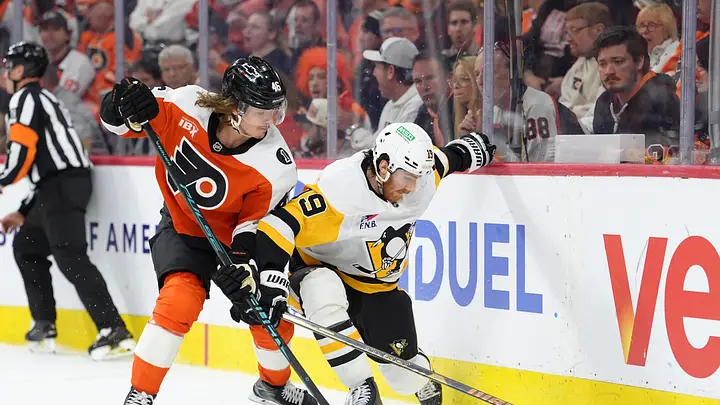
Ice hockey moves fast. Fast enough that new viewers often miss the structural logic underneath all that speed. Hockey rules can look chaotic from the outside — whistles everywhere, players flying over the boards mid-play, a clock that stops for reasons that aren’t always obvious. General sports betting platforms, includingdbbet, see steady interest around these games, since game duration and format carry real weight for anyone following outcomes closely.
How Many Periods in Hockey
Three. That’s the short answer. Unlike basketball or American football, hockey runs on three periods of twenty minutes each, with two intermissions splitting up the sixty minutes of regulation. That’s the baseline structure everything else builds from. Actual game length stretches well past an hour once stoppages, TV timeouts, and intermission time get factored in.
A typical broadcast runs two to two-and-a-half hours from puck drop to final horn. Sometimes longer, especially if penalties pile up or officials need extended video review. Each period ends with a horn, teams switch ends, and the clock resets for the next twenty minutes. Nothing especially complicated there.
What trips people up more is the stop-start nature of the clock itself. Unlike soccer’s running clock, hockey stops constantly — penalties, offsides, icing calls, goals. That’s part of why raw game time rarely matches the actual elapsed time watching from a couch or a stadium seat. A “twenty-minute period” can easily eat forty-five minutes of real time once stoppages get added in.
Why the Clock Behaves the Way It Does
Faceoffs restart play after nearly every stoppage. Where that faceoff happens depends entirely on what caused the stoppage in the first place. Icing sends the puck deep into the offending team’s zone for the ensuing draw. Offside calls bring things back to the blue line. Goals reset play at center ice. None of this affects period length directly, but it shapes rhythm — something that becomes obvious once someone actually starts paying attention to how often play stops rather than flows.
Penalties add another wrinkle. A two-minute minor doesn’t just remove a player from the ice — it creates a power play that can swing momentum entirely, sometimes deciding outcomes that otherwise looked evenly matched. Major penalties run five minutes. Game misconducts remove a player for the rest of the contest. Stacking penalties can leave a team down two skaters at once, though rules prevent a team from ever dropping below three skaters plus a goaltender.
Hockey Overtime Rules: Regular Season vs. Playoffs
Here’s where things genuinely diverge, and it’s a distinction that trips up plenty of casual viewers. Regular season games tied after sixty minutes move into a five-minute, three-on-three overtime period. First goal wins. If nobody scores, the game heads to a shootout — three shooters per side initially, then sudden-death rounds if that first round ends tied too.
Playoff hockey scraps that format completely. No shootouts. No three-on-three overtime. Instead, tied playoff games move into twenty-minute sudden-death periods at full strength — five skaters per side — repeating as many times as necessary until somebody scores. Games have stretched into a fourth, fifth, even a rare sixth overtime period in playoff history, turning what should’ve been a two-hour broadcast into a marathon lasting well past midnight.
That difference matters enormously for anyone tracking outcomes or following extended playoff series, since a single overtime playoff game can run nearly as long as two regulation games combined. Betting markets tracking live odds, such aswekawin, have noted how dramatically win probability swings shift once games enter these extended playoff overtimes — a single bounce or defensive lapse can end a series on the spot rather than merely deciding one game among many.
How Standings Connect Back to Overtime Rules
Regular season standings track points rather than pure win totals — two points for a win, one point for an overtime or shootout loss, zero for a regulation loss. That point system exists specifically because of the overtime and shootout rules above. A team losing in a shootout still walks away with something, unlike a team simply losing outright in regulation. Over an eighty-two game season, those extra points from overtime losses can separate playoff teams from ones watching the postseason from home.
Playoff qualification and seeding hinge on those regular season standings. Once the postseason starts, format shifts to best-of-seven series rather than single games, though sudden-death overtime keeps hockey’s version considerably more volatile game to game than sports where a running clock or set number of innings governs length. Losing Game 1 in overtime carries real weight. It can flip home-ice advantage or momentum heading into Game 2, in ways a single loss elsewhere on the schedule wouldn’t necessarily replicate.
How Long Is a Hockey Game, Really
Sixty minutes of regulation on paper. Two to two-and-a-half hours in practice, once stoppages and intermissions get counted. Add overtime, and regular season games might run an extra fifteen to twenty minutes for a three-on-three period plus a shootout. Playoff games with no time limit on overtime? Those can run indefinitely — some of the longest playoff games in league history have crossed the five-hour mark once multiple twenty-minute sudden-death periods stacked up.
That unpredictability is part of the appeal for plenty of fans. Knowing a playoff game could tie in the third period and stretch well past midnight changes how the broadcast gets watched entirely. There’s no shootout coming to shorten things in the postseason — just repeated twenty-minute periods until somebody finally breaks through.
Why the Rules Shape How Games Get Watched
Understanding period structure and overtime rules changes expectations for anyone following a broadcast, even without a direct stake in the outcome. The structural gap between regular season and playoff formats also explains why late-season games sometimes feel less urgent than a tied playoff game heading into a fourth overtime.
Game duration, period structure, and the split between regular season and playoff overtime rules aren’t just trivia. They shape strategy, they shape how coaches manage rosters deep into extra periods, and they shape how outcomes get decided when sixty minutes simply isn’t enough to settle things.