
Emoji Culture, Digital Expression and the Entertainment Habits of Modern Online Users
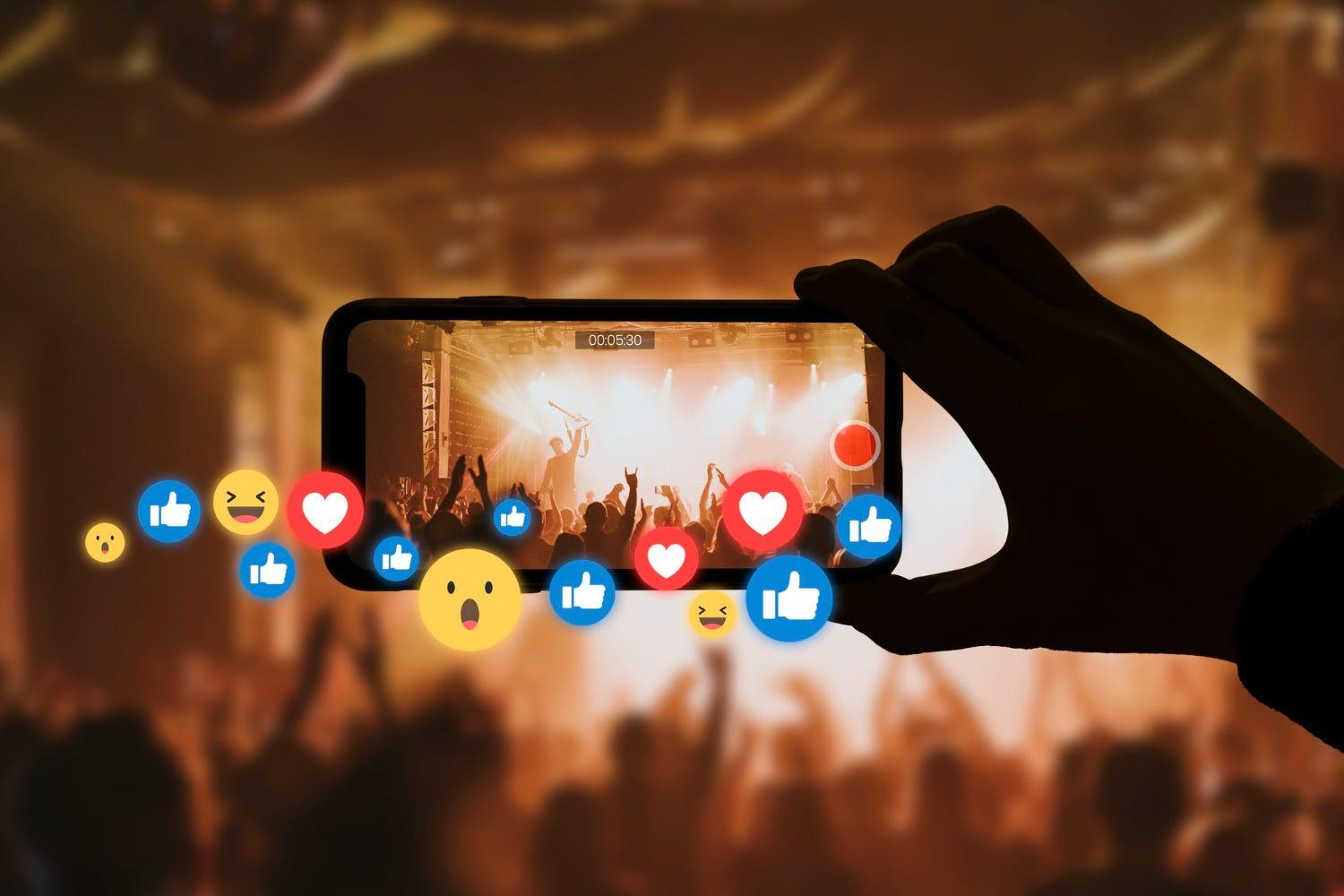
Digital communication has changed dramatically over the past decade. What once relied mostly on text is now shaped by visuals, short-form reactions and symbolic expression. Emojis have become one of the most universal languages on the internet, helping users communicate emotion, humor and personality instantly across different platforms and cultures.
This evolution is especially visible among younger online audiences who constantly move between social media, streaming content, gaming and live sports conversations. During large entertainment events like the Indian Premier League, users frequently combine memes, emojis and reaction-based communication while discussing matches online. In this broader digital ecosystem, some users also encounter platforms connected to sports interaction through an official website, illustrating how entertainment, online culture and real-time engagement increasingly overlap in modern internet spaces.
Why emojis became central to online communication
Emojis simplify emotional expression in fast-moving digital environments. On platforms where users communicate quickly, visual symbols often replace long explanations.
People use emojis because they:
- communicate emotion instantly
- reduce misunderstandings in text conversations
- create humor and personality
- work across language barriers
This makes them ideal for modern internet culture, where speed and visual engagement matter more than ever.
The connection between sports and reaction culture
Live sports naturally generate emotional reactions. Excitement, frustration, surprise and celebration all happen within seconds during a match. Social media users respond to these moments immediately, often through emojis, GIFs and memes.
Cricket tournaments like the IPL are especially suited to this style of interaction because:
- matches create constant momentum swings
- dramatic moments happen frequently
- fan communities remain highly active online
- mobile-first audiences react in real time
This has turned live sports into a major driver of digital reaction culture.
How internet humor evolved alongside entertainment
Modern online humor is heavily influenced by visual communication. Reaction images, emoji combinations and meme formats now shape how people engage with entertainment content.
Popular digital behavior today includes:
- reacting to live events with emojis
- creating memes during matches or shows
- sharing short emotional responses instead of long comments
- combining visuals and slang into fast-moving trends
This behavior reflects the broader evolution of internet communication.
Comparing traditional online interaction and modern digital expression
| Aspect | Earlier Internet Culture | Modern Online Culture |
| Communication style | Text-heavy | Visual and symbolic |
| Response speed | Slower | Instant |
| Community interaction | Forums and comments | Real-time social feeds |
| Humor format | Written jokes | Memes and reactions |
| Emotional expression | Detailed explanations | Emoji-driven responses |
This shift highlights how internet culture has become increasingly visual and immediate.
Mobile culture and constant connectivity
Smartphones changed not only how people access content, but how they emotionally interact with it. Users now experience entertainment while multitasking:
- watching sports during commutes
- reacting to live moments on social media
- sending emojis while streaming content
- participating in online discussions instantly
This always-connected environment encourages shorter, faster and more visual forms of interaction.
Why younger audiences prefer visual communication
For many younger users, emojis and visual reactions feel more natural than traditional text communication. Visual language is:
- faster to process
- emotionally clearer
- easier to share
- more entertaining in group conversations
This preference shapes everything from social media trends to sports fandom and streaming culture.
Minimal gambling references in entertainment ecosystems
Although sports-related digital environments occasionally intersect with prediction or gaming-oriented platforms, most online interaction around tournaments like the IPL remains centered on entertainment, community and live emotional reactions.
Fans are primarily drawn to:
- dramatic match moments
- player personalities
- online discussions and memes
- community engagement during live events
The entertainment aspect continues to dominate the broader digital conversation.
The future of internet expression
Online communication will likely become even more visual in the coming years. Emerging technologies may introduce:
- AI-generated reaction content
- animated emoji ecosystems
- personalized digital avatars
- more immersive live-event interaction tools
As entertainment and communication continue merging, emojis and visual symbols will remain central to how people express themselves online.
Conclusion
Modern internet culture is built around speed, emotion and visual interaction. Emojis, memes and reaction-driven communication now shape how users engage with sports, streaming and digital entertainment. Events like the IPL amplify this behavior by creating emotional moments that spread instantly across online communities. As digital culture continues evolving, visual expression will remain one of the defining characteristics of how people connect and communicate online.