
Early Feeding Practices That Support Safer Digestive Development in Newborns
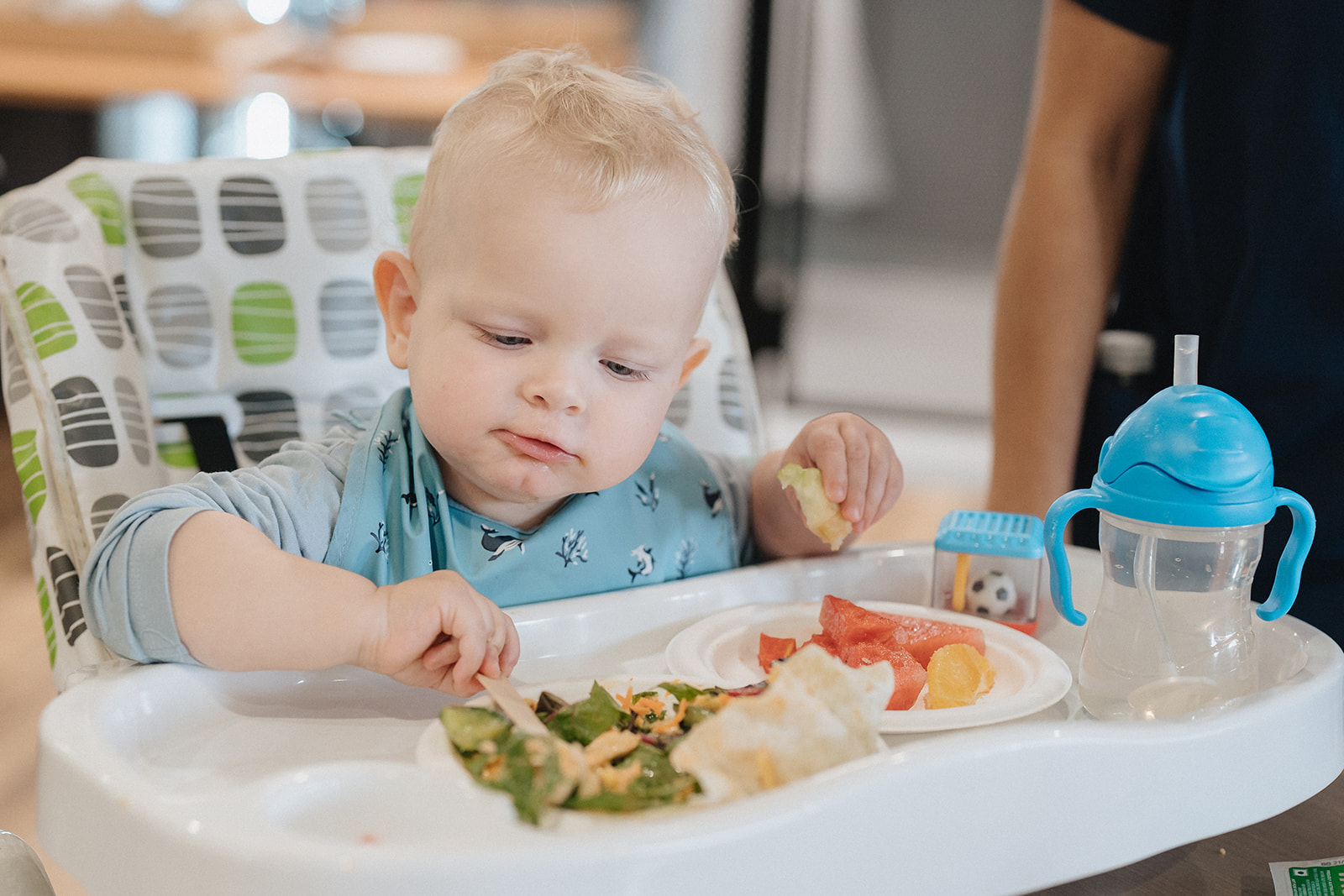
Feeding during the first days of life shapes how a newborn adapts to the outside environment, especially as the digestive system begins working independently. Parents usually focus on selecting the right food, which they should. However, they should also consider the approach to early feeding, as it plays an equally meaningful role in supporting comfort and steady growth.
This stage involves a series of small adjustments as infants learn to handle new sensations, rhythms, and nutrient levels. Gentle routines, supportive positioning, and awareness of a newborn’s cues all contribute to a smoother beginning. When families understand how early nourishment influences development, they feel more confident guiding their infant through this delicate transition.
This article explores how early feeding practices can support digestive development in newborns.
Understanding How Newborn Digestion Begins
An infant’s digestive tract starts functioning well before birth, but it continues maturing rapidly throughout the first weeks of life. Factors such as birth timing, feeding method, and hospital care practices all influence how well the gut responds to early nourishment. Premature infants face more challenges since their systems are still catching up, making feeding decisions especially sensitive.
An MDPI study notes that early-life gut microbiota strongly influences overall health, helping shape immune development and resistance to disease. When this microbial balance becomes disrupted, the resulting dysbiosis has been associated with conditions such as allergies, asthma, obesity, and increased vulnerability to infections. These imbalances can also heighten the risk of atopic reactions, food sensitization, and serious illnesses like necrotizing enterocolitis (NEC).
The choice of food can also cause NEC. According to TorHoerman Law, preterm babies who feed on cow-milk-based formulas are more vulnerable to NEC. Some infants diagnosed with the condition recover with intensive care, some develop long-term complications, while the remaining face death.
Many parents whose children were diagnosed with the condition after consuming formula food have filed NEC lawsuits against manufacturers. The essential point for families is that what and how infants are fed is crucial.
Feeding Methods That Support Digestive Stability
Breast milk remains widely valued because of its digestibility and its natural balance of enzymes and antibodies. Doctors often encourage providing at least some breastfeeding, even if it requires pumping. This helps introduce nutrients in a way that the infant’s system can handle gradually.
A World Health Organization article states that exclusively breastfeeding babies can ensure optimal health and growth. It contains all the essential nutrients an infant ever needs for the first six months. Breastmilk also naturally protects against numerous diseases, such as diarrhoea, pneumonia, etc.
Besides the child, breastfeeding is also beneficial for mothers, concludes a Cureus study. Emotional bonding between a parent and infant is shaped by the interaction of oxytocin and prolactin. These are the two hormones that strengthen attachment, support emotional well-being after birth, and help build a sense of confidence during early caregiving.
When breast milk is unavailable or needs supplementation, specialists often tailor formula choices based on the child’s medical needs. They also monitor how the infant responds during each feeding session.
Feeding pace is another important factor. Newborns benefit from slow, steady introductions rather than fast or voluminous feeding. This approach gives the gut time to process nutrients, reduces stress on the intestinal lining, and decreases the chance of discomfort after meals.
How Skin-to-Skin Contact Supports Digestive Comfort
Gentle physical contact plays a meaningful role in how infants respond to feeding. Skin-to-skin or kangaroo care helps regulate breathing and heart rate, which in turn steadies digestive patterns.
A ScienceDirect study notes that it can also promote oxytocin development and release. Nicknamed the love hormone, this neurotransmitter stimulates digestion and milk production and ejection.
Infants who receive regular skin-to-skin sessions often show improved readiness for feeding. This is especially true within hospital environments where preterm infants require closer monitoring. The warmth and steady rhythm of a caregiver’s heartbeat help reduce stress responses, giving the digestive system a better chance to work efficiently.
Infants who spend time in this calm, supported position show steadier feeding cues. This makes it easier for caregivers to recognize when the baby is ready to eat or needs a pause. The closeness also encourages rhythmic breathing, helping the digestive tract function with less strain. Over time, these repeated periods of contact can promote a pattern of smoother digestion, reduced fussiness, and better overall comfort.
The Importance of Maintaining Feeding Routines at Home
Families often find the hospital environment structured and reassuring, yet the shift home requires new confidence. Maintaining consistent feeding rhythms helps newborns adjust to life outside clinical care. Infants respond well to predictable patterns, especially after experiencing close monitoring in the nursery.
Parents who pay attention to small behavioral cues gain a clearer sense of how well their child’s digestive system is adapting. These observations guide decisions about pacing, positioning, and soothing after meals, all of which support digestive ease.
Families also benefit from creating a calm setting during feeds, since overstimulation can disrupt an infant’s ability to settle into a steady rhythm. A quiet room, gentle lighting, and slow transitions between activities help the newborn focus on feeding cues without added stress.
This environment supports smoother digestion and gives caregivers a clearer sense of how the infant responds to each meal. As these patterns become familiar, parents gain confidence in adjusting routines in ways that keep their child comfortable and well-supported during early digestive development.
Frequently Asked Questions
Does temperature play a role in a newborn’s digestive ease?
Temperature influences comfort more than many parents realize. Infants often digest more smoothly when their bodies stay warm and relaxed, since chilly conditions can cause muscle tightening and disrupted feeding patterns. Keeping the room at a steady, comfortable temperature and ensuring the baby is dressed appropriately helps maintain a consistent state of relaxation.
How can caregivers tell if a newborn needs adjustments in feeding posture?
Caregivers often rely on physical cues to determine whether a different feeding position might help. Signs such as frequent arching, difficulty maintaining a latch, or repeated pauses can indicate that the baby needs more support or a slightly altered angle. Small changes, like adjusting the head elevation or offering additional shoulder support, can reduce the swallowing of excess air and ease digestive strain.
Do feeding patterns affect sleep quality in newborns?
Sleep and digestion are closely linked during early development, and a newborn’s feeding rhythm often shapes how easily they settle for rest. Infants who feed too quickly or swallow extra air may experience discomfort that interrupts sleep cycles. Gentle pacing and awareness of cues help the digestive system work more smoothly, which often leads to longer periods of rest.
Thoughtful feeding practices during the newborn phase strengthen digestive adaptation and overall comfort. Parents and caregivers who understand how choices in these early days influence long-term gut balance can support infants with greater confidence.
With guidance from healthcare providers and a focus on gradual, steady nourishment, newborns are better positioned for healthy digestive development throughout their first months.