
Smart Tips to Avoid Traffic After Major Football Matches
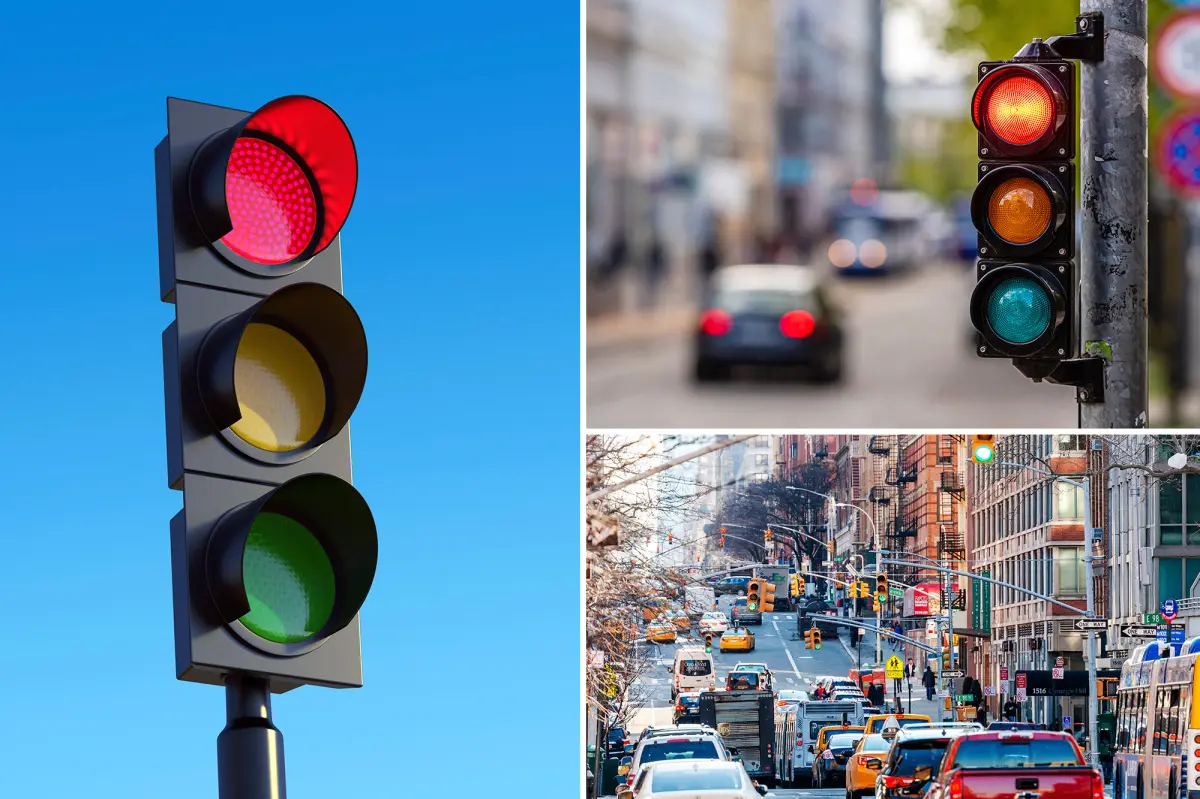 Every football fan knows the frustration of being stuck in heavy traffic after a big match. The excitement of the game quickly gives way to the stress of bumper-to-bumper lines outside the stadium. Whether you drive, take public transport, or walk, post-game congestion can add hours to your journey home.
This challenge is universal. From local derbies to international finals, thousands of fans leaving the stadium at once create an unavoidable bottleneck. But with smart strategies, planning, and the use of technology, it is possible to reduce the hassle. To better understand how to navigate this issue, let’s first explore why traffic jams are so common after football matches.
Why Traffic Jams Are Common After Big Matches
Traffic congestion after major matches is the result of several factors. First, the sheer number of fans exiting simultaneously overwhelms local roads and transport hubs. Stadiums designed for 50,000 to 80,000 people funnel everyone into limited exits, creating choke points.
Second, road closures, security checks, and police diversions add delays. Public transport also strains under sudden demand, with trains and buses often overcrowded.
Finally, many fans linger after games to celebrate, leading to uneven waves of traffic. Each wave still produces congestion, prolonging the situation for hours. These combined issues mean fans must plan carefully to avoid stress.
Planning Ahead Before the Final Whistle
The best way to beat traffic is to plan before the game even ends. Small decisions can save valuable time later.
Steps for smarter planning include:
- Choose your seat strategically: Sit closer to exits if you want to leave quickly.
- Pre-check your route: Study maps and note alternative streets.
- Prepare your transport card or ticket: Avoid queues at machines after the game.
- Pack lightly: Carry only essentials to move faster.
- Arrange meeting points: Agree with friends where to gather to avoid confusion.
By planning early, you reduce the risk of being trapped in the same flow as thousands of others. Technology can also enhance this preparation.
Using Technology and Navigation Apps
Modern tools offer unique opportunities for fans. GPS apps, live traffic updates, and navigation platforms like Google Maps and Waze allow you to track congestion in real time. Some clubs even provide official apps with recommended exits and transport schedules.
These technologies highlight new ways to adapt quickly. If one route looks blocked, fans can reroute instantly. Ride-hailing apps also coordinate pick-up points away from main exits, saving precious time.
Using digital tools is a unique value opportunity for fans today, combining modern convenience with traditional matchday planning.
Timing Your Exit Strategically
Even with good planning, timing remains crucial. Fans often debate whether to leave early or wait.
- If you want to beat traffic quickly, consider leaving five to ten minutes before the final whistle. You risk missing a dramatic finish, but you gain time on the road.
- If you prefer to avoid the crush entirely, wait 20–30 minutes after the match. This allows the first wave of fans to clear, making your journey smoother.
The conditional choice is clear: if speed matters most, leave early; if comfort is your priority, wait for the crowd to thin.
Exploring Alternative Routes and Transport
Your route can make or break your post-match experience. Driving directly into stadium traffic is rarely ideal. Exploring alternative roads, side streets, or designated shuttle buses can help.
Public transport remains a solid option, though it comes with delays. Trains and buses dedicated to matchday service may offer express routes. Comparing these choices shows the balance: driving may offer flexibility, but public transport reduces stress when roads are gridlocked.
Walking and Carpooling Options
Walking away from the stadium before catching transport further out can cut journey times significantly. Even a 15-minute walk can bypass the worst bottlenecks.
Carpooling is another smart solution. Sharing rides reduces costs, lowers environmental impact, and can secure parking spots closer to exits. These related attributes—eco-friendly, cost-sharing, and community-building—make walking and carpooling attractive to many fans.
Staying Back to Celebrate or Relax
Not every fan wants to rush home. Some choose to stay behind, celebrating victories or reflecting on defeats. This option avoids traffic stress altogether, though it requires patience.
The premise is simple: waiting has benefits. Fans can enjoy post-match activities, visit nearby cafés, or linger in the stadium area. Sequentially, the crowd disperses, making the journey home calmer. The drawback is time—it delays your return, but the reward is less stress and often more fun.
Direct Comparison of Post-Game Traffic Strategies
To clearly weigh the options, here is a direct comparison of strategies:
| Strategy | Benefits | Drawbacks |
| Leave early | Beat traffic, save time | Risk missing match-ending drama |
| Wait 20–30 minutes | Avoid crush, calmer journey | Delayed return home |
| Use alternative routes | Potentially faster, less crowded | Requires planning, not always reliable |
| Take public transport | Avoid driving stress, eco-friendly | Overcrowding, possible delays |
| Walk or carpool | Cost-saving, flexible, healthier | Not ideal for long distances |
| Stay to celebrate | More fun, avoids stress completely | Much later journey home |
This side-by-side look makes it easier for fans to choose what fits their priorities.
Extending the Matchday Spirit Beyond the Stadium
Traffic solutions are only part of the fan journey. Thanks to digital platforms, supporters can continue the matchday spirit even after they leave the ground.
If you want live updates and in-depth coverage beyond the stadium, explore goaldaddy, where football culture thrives. For convenience, you can also stream games on บอลสด, staying connected to the action no matter where you are.
These platforms ensure that the post-match journey remains enjoyable, even if you are stuck on the road.
Final Thoughts on Beating Post-Game Traffic
Post-match traffic is an inevitable part of football culture, but it does not have to ruin the experience. By understanding why congestion happens, planning ahead, using technology, choosing strategic timings, and considering alternative routes or transport, fans can make smarter choices.
The best strategy depends on your priorities: speed, comfort, cost, or atmosphere. Each option has trade-offs, but with preparation, the journey home can be as enjoyable as the match itself.
Ultimately, football is about joy, community, and shared experiences. With the right approach, you can celebrate those values without letting traffic frustrations overshadow your matchday memories.