
How Professional Asbestos Surveys Provide Accurate Reports for Property Safety
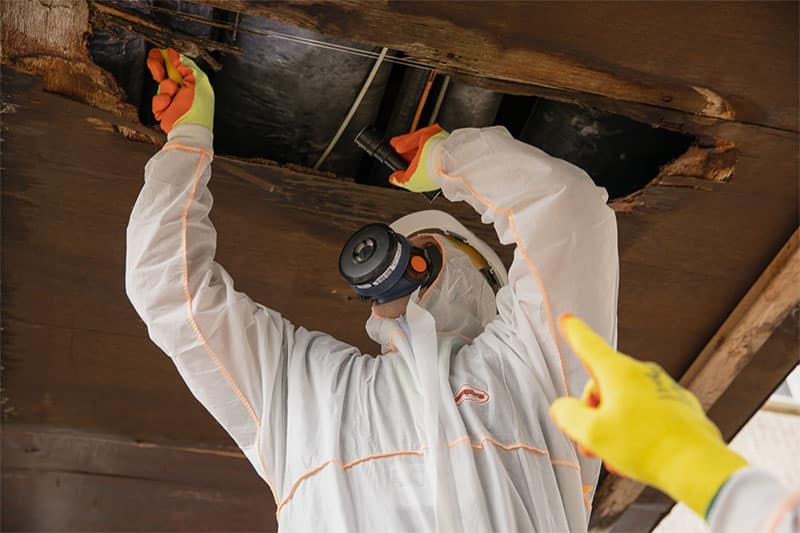
Asbestos remains a critical concern in building management due to its health risks and prevalence in older structures. Despite being largely phased out in modern construction, many residential, commercial, and industrial buildings constructed before the 1980s may still contain asbestos-containing materials (ACMs). These materials can include insulation, ceiling tiles, flooring, roofing, and pipework. When disturbed, asbestos fibers can become airborne, posing severe health risks such as lung cancer, asbestos survey, and mesothelioma. For property owners, managers, and contractors, conducting a professional asbestos survey is the most reliable way to identify ACMs, assess risks, and ensure safety compliance. Accurate reporting from these surveys is essential for informed decision-making, regulatory adherence, and long-term property management.
The Importance of Professional Asbestos Surveys
Professional asbestos surveys are critical because they provide a systematic and expert approach to identifying and assessing asbestos in a property. Untrained individuals conducting ad hoc inspections may miss hidden ACMs or fail to recognize deteriorating materials, leading to potential exposure and regulatory violations. Licensed surveyors follow established procedures and safety protocols, ensuring that all relevant areas of a building are inspected thoroughly. Their expertise also ensures that samples are collected safely, handled appropriately, and analyzed using recognized laboratory methods.
By relying on professional surveys, property owners gain confidence that the results are accurate, comprehensive, and legally defensible. Accurate reports are essential for developing asbestos management plans, planning renovations or demolition projects, and protecting occupants and workers from exposure. Without a professional survey, the presence and condition of asbestos may remain uncertain, creating unnecessary health risks and potential legal liabilities.
Types of Asbestos Surveys
There are generally two main types of asbestos surveys, each designed for specific circumstances: management surveys and refurbishment or demolition surveys.
Management surveys are conducted in occupied buildings to identify ACMs that could be disturbed during normal occupancy. These surveys are non-intrusive and aim to provide a full understanding of where asbestos is present and its condition. The focus is on minimizing risk through monitoring, maintenance, or containment, rather than immediate removal.
Refurbishment or demolition surveys, on the other hand, are more intrusive. They are conducted before major renovations, refurbishments, or demolition work to ensure that all asbestos is identified and safely managed. These surveys involve opening up walls, ceilings, and floors to locate hidden materials and determine the type and extent of asbestos present. Such surveys are critical for contractor safety and legal compliance.
Survey Planning and Scope
A professional asbestos survey begins with careful planning. Surveyors assess the type, age, and layout of the building to determine the areas most likely to contain asbestos. Older structures, particularly those built before the 1980s, are high-risk and often require a comprehensive inspection of roofing, insulation, walls, ceilings, and pipework. The survey scope also considers areas that may not be immediately visible, such as cavities, loft spaces, basements, and service ducts.
Clear communication with property owners or managers is vital during the planning stage. Surveyors need access to all relevant areas and information about the property’s usage and maintenance history. This preparation ensures that the survey is thorough, efficient, and safe, minimizing disruption to occupants while maximizing accuracy.
Sampling and Laboratory Analysis
Accurate reporting relies on proper sampling and laboratory analysis. During a survey, licensed professionals carefully collect samples of suspected asbestos-containing materials. Sampling requires strict adherence to safety protocols, including the use of protective equipment and containment methods to prevent fiber release. Improper sampling can result in contamination, exposure, and unreliable results.
Collected samples are sent to accredited laboratories for analysis. Laboratory techniques, such as polarised light microscopy or scanning electron microscopy, are used to identify the presence and type of asbestos. Different asbestos types, including chrysotile, amosite, and crocidolite, vary in their health risks and handling requirements. Accurate identification is crucial for developing an effective management plan and ensuring that any removal work is carried out safely.
Risk Assessment and Material Condition
Professional asbestos surveys go beyond mere identification; they assess the condition and risk level of each material. Factors such as friability, deterioration, accessibility, and location influence the likelihood of fiber release. Materials that are friable or damaged pose higher risks than intact, encapsulated materials. Surveyors evaluate these aspects and provide a risk rating, which informs the recommended actions, such as monitoring, sealing, or removal.
Accurate risk assessment allows property owners to prioritize actions based on hazard severity. For example, materials in high-traffic areas or near ventilation systems may require immediate attention, while intact materials in low-risk locations may only need periodic monitoring. This targeted approach ensures safety while avoiding unnecessary costs and disruption.
Comprehensive Reporting
The final report is the most important deliverable of a professional asbestos survey. A high-quality report provides a detailed record of findings, including the location, type, condition, and risk level of all identified ACMs. It also includes recommendations for management, monitoring, or removal, depending on the assessed risk.
A professional report is structured to meet regulatory requirements and support legal compliance. It serves as a reference for property managers, contractors, and maintenance teams, guiding safe practices and future decision-making. Comprehensive reporting also facilitates communication with stakeholders, ensuring that everyone involved in building maintenance or renovation is aware of potential asbestos hazards.
Compliance with Regulations and Standards
One of the key benefits of professional asbestos surveys is supporting compliance with safety regulations. Most countries have strict laws governing asbestos identification, management, and removal. Non-compliance can result in legal penalties, fines, and increased liability. Professional surveys provide documented evidence that property owners have taken appropriate steps to identify and manage asbestos, demonstrating due diligence in protecting occupants and workers.
Adherence to recognized standards, such as ISO guidelines or local health and safety codes, ensures that survey methods, sampling procedures, and reporting are consistent and reliable. This compliance protects both the property owner and surveyor while maintaining a safe environment for all building users.
Supporting Safe Renovation and Maintenance Activities
Professional asbestos surveys are critical before any renovation, refurbishment, or demolition work. Knowledge of the location and type of ACMs allows contractors to plan safe work procedures, including isolating areas, using personal protective equipment, and engaging licensed removal specialists. This proactive approach reduces the risk of accidental exposure and ensures that legal requirements for asbestos management are met.
For maintenance activities, survey reports guide safe handling of materials and help avoid disturbing asbestos-containing areas. Even routine maintenance, such as plumbing or electrical work, can pose risks if ACMs are present. Survey findings provide the necessary information to carry out such tasks safely.
Long-Term Property Safety and Management
Accurate asbestos survey reports are not only valuable for immediate safety concerns but also for long-term property management. Maintaining an up-to-date asbestos register based on professional survey findings ensures ongoing monitoring and risk management. Future inspections, renovations, or maintenance activities can reference the survey report, preventing accidental exposure and ensuring continued compliance with regulations.
Regular re-inspections and surveys, as recommended in the management plan, help detect any deterioration in existing asbestos materials, allowing for timely interventions. This ongoing process protects occupants, staff, and contractors while preserving property value and reducing liability.
Conclusion
Professional asbestos surveys are essential for identifying, assessing, and managing asbestos-containing materials in residential, commercial, and industrial properties. They provide accurate, comprehensive reports that support health and safety, regulatory compliance, and long-term property management. From careful planning and sampling to laboratory analysis and detailed reporting, every step of a professional survey is designed to ensure reliability and safety.
By relying on licensed and experienced surveyors, property owners can confidently manage asbestos risks, protect occupants and workers, and meet legal obligations. Accurate reporting is the cornerstone of effective asbestos management, guiding safe renovation, maintenance, and removal activities. Ultimately, professional asbestos surveys contribute to a safer environment, reduce liability, and support responsible property management practices for years to come.