
Dado Rail Designs That Bring Classic Interior Detailing and Wall Protection
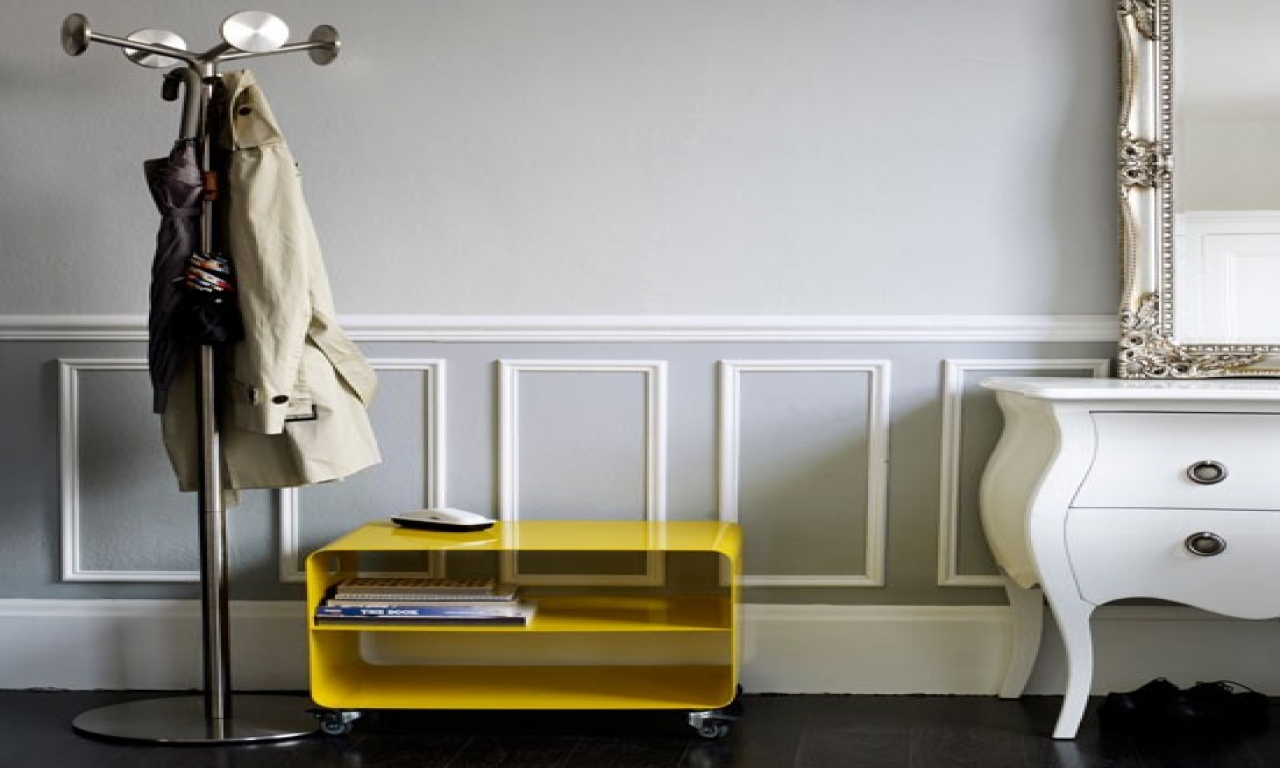
Dado rails are a hallmark of classic interior design, serving both functional and decorative purposes in homes and commercial spaces. Traditionally, a dado rail is a horizontal molding fixed to the wall at approximately waist height, providing protection against everyday wear and tear while adding an element of elegance. With evolving design trends, dado rails have transitioned from simple protective features to sophisticated architectural elements that complement a room’s aesthetic. This article explores a variety of dado rail designs, their benefits, and how they can enhance interiors with both style and practicality.
Understanding the Purpose of Dado Rails
Historically, dado rails were installed to protect walls from damage caused by chairs, tables, and other furniture. Positioned typically between 30 and 36 inches from the floor, they served as a barrier, preventing scuffs, dents, and scratches in high-traffic areas. While this functional purpose remains relevant today, the decorative potential of dado rails has grown significantly.
Modern dado rails can define spaces, create visual interest, and complement other architectural features such as wainscoting, paneling, and cornices. They can also be used to delineate different wall finishes, such as combining painted surfaces with wallpaper or textured panels, creating a balanced and layered look. Dado rails thus bridge the gap between practical wall protection and refined interior detailing.
Classic Dado Rail Profiles
Traditional dado rails often feature simple profiles with subtle curves or bevels. These classic designs suit a variety of interior styles, from period homes to contemporary reinterpretations of traditional spaces. Profiles may include ogee curves, step designs, or rounded edges, each adding a distinct character to the room.
Wood remains the most popular material for classic dado rails due to its durability, ease of shaping, and ability to take paint or stain finishes. Painted rails can provide a crisp, clean contrast to the wall, while stained wood emphasizes the natural grain, adding warmth and texture. In formal living areas or dining rooms, classic wooden dado rails complement paneling or wainscoting, reinforcing the room’s traditional aesthetic.
Modern Dado Rail Designs
In contemporary interiors, dado rails are no longer limited to ornate or traditional styles. Sleek, minimalistic rails with flat profiles or subtle chamfers suit modern and minimalist spaces, offering clean lines without overpowering the room. These modern rails can be painted in contrasting or matching colors to create visual emphasis or a seamless integration with the wall.
Materials such as MDF, polyurethane, or high-density composites have expanded the possibilities for modern dado rail designs. These materials are lightweight, easy to install, and can mimic the look of traditional wood while being more resistant to warping or moisture. Modern dado rails can also be paired with wallpaper or textured wall finishes to create a layered and stylish look.
Decorative Applications of Dado Rails
Beyond functional protection, dado rails offer numerous decorative applications that enhance interior design. One popular approach is to combine dado rails with wainscoting or paneling, creating a visually structured wall. For example, a lower section of paneled wood or textured wallpaper beneath the rail can be contrasted with a smooth painted surface above, adding dimension and sophistication to the space.
Dado rails can also be used to frame artwork, mirrors, or wall-mounted lighting fixtures. By aligning decorative elements with the rail, designers can create harmony and balance within a room. Additionally, dado rails can serve as a guide for color blocking, allowing two-tone wall treatments that emphasize architectural lines while introducing subtle design accents.
Choosing the Right Height for Dado Rails
Selecting the appropriate height for dado rails is essential for both aesthetics and functionality. Standard height ranges between 30 and 36 inches, but the exact placement may vary depending on ceiling height, furniture scale, and room proportions. In spaces with high ceilings, slightly taller dado rails can maintain visual balance, while lower ceilings may benefit from rails installed closer to the standard height to avoid overwhelming the space.
When placing dado rails in rooms with wainscoting, the rail often serves as the dividing line between paneling and upper wall finishes. In dining rooms or hallways, dado rails can be strategically aligned with chair backs, providing effective protection while maintaining a visually pleasing design. Accurate placement ensures the dado rail complements the room’s overall layout without disrupting the flow of architectural features.
Material Options for Dado Rails
Dado rails are available in a wide range of materials, each offering unique advantages in terms of aesthetics, durability, and ease of installation.
Wood is traditional and versatile, suitable for both painted and stained finishes. High-quality hardwoods, such as oak or maple, provide long-lasting durability and a classic look, while softwoods like pine are cost-effective and easy to work with.
MDF and HDF (high-density fiberboard) rails are popular alternatives for modern interiors. They are lightweight, smooth, and compatible with various paint finishes. MDF rails are also more resistant to cracking or splitting compared to natural wood.
Polyurethane and PVC dado rails are ideal for areas prone to moisture, such as kitchens, bathrooms, or commercial spaces. These materials are easy to clean, water-resistant, and can mimic traditional wood profiles while being highly durable.
Custom Dado Rail Designs
For homeowners and designers seeking unique interior detailing, custom dado rails provide an opportunity to create one-of-a-kind designs. Custom rails can feature intricate carvings, layered profiles, or decorative motifs that complement the room’s style. These designs can be tailored to match other architectural elements, such as crown molding, baseboards, or ceiling medallions.
Custom dado rails are particularly effective in period-style homes or high-end residential projects, where attention to detail and cohesive design are priorities. They allow the integration of personal taste and style while maintaining the functional benefits of traditional dado rails.
Combining Dado Rails With Wall Treatments
Dado rails work best when integrated with complementary wall treatments. One common approach is to use wainscoting or paneling below the rail and paint or wallpaper above it. This combination creates a layered visual effect, adding depth and elegance to the room.
Wallpaper patterns below the rail can provide texture and visual interest without dominating the space. For example, subtle floral or geometric patterns complement traditional interiors, while bold, modern prints suit contemporary designs. Painted panels with contrasting colors or finishes can also emphasize architectural lines and highlight the dado rail’s presence.
Using Dado Rails in Different Spaces
Dado rails are versatile and can enhance a wide range of spaces, from formal living areas to functional hallways. In dining rooms, dado rails protect walls from chair backs while adding a sophisticated design element. In hallways and corridors, rails prevent scuffs and scratches caused by high foot traffic.
In bedrooms, dado rails can frame wall finishes, helping to delineate spaces or provide a backdrop for headboards. In bathrooms and kitchens, moisture-resistant dado rails made from PVC or polyurethane offer both protection and style. Commercial spaces such as offices, hotels, and restaurants also benefit from the practical and aesthetic advantages of dado rails.
Complementing Other Architectural Features
Dado rails can be integrated with other architectural elements to enhance the overall design of a room. Combining them with crown molding, ceiling roses, or baseboards creates a cohesive and polished look. In traditional interiors, this combination reinforces the classical style, while in modern interiors, simplified or minimalistic profiles provide subtle elegance.
Lighting can further accentuate dado rails. Wall sconces or recessed LED strips installed above or below the rail highlight textures and profiles, creating a refined ambiance. Properly coordinated colors, finishes, and patterns ensure the dado rail complements other features without competing for attention.
Installation and Maintenance
Installing dado rails requires careful measurement, precise cutting, and secure attachment to the wall. For traditional wood rails, nails or screws combined with adhesive are typically used, while modern rails in MDF, PVC, or polyurethane can be fixed with specialized adhesives or mounting clips. Professional installation ensures a seamless finish, especially for complex or decorative designs.
Maintenance depends on the material used. Painted wood or MDF rails may require occasional cleaning and touch-up painting to maintain their appearance. Polyurethane and PVC rails are low maintenance, resistant to moisture and easy to wipe clean. Regular inspection helps identify any damage or wear early, preserving both the functionality and aesthetic appeal of the dado rail.
Conclusion
Dado rails are an essential element in classic and modern interior design, combining practical wall protection with refined architectural detailing. From traditional wood profiles to modern minimalist designs and custom carvings, dado rails offer endless possibilities to enhance the elegance and functionality of any space.
By carefully selecting materials, profiles, and placement, homeowners and designers can transform ordinary walls into sophisticated and durable design features. Integrating dado rails with complementary wall treatments, lighting, and other architectural elements ensures a harmonious and visually appealing interior. Whether in residential or commercial settings, dado rails continue to provide a timeless solution that balances beauty, protection, and style, making them a valuable addition to contemporary interior design projects.