
ZeroPoint Foods Explained: What They Are and How They Help with Weight Loss
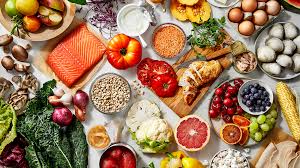
Starting a weight loss journey can feel overwhelming, especially when every meal seems to come with rules, calculations, and restrictions. That’s one reason the Weight Watchers (WW) system has remained popular over the years—it aims to simplify healthy eating while helping people build long-term habits instead of relying on extreme dieting.
One of the most talked-about parts of the WW program is the concept of ZeroPoint foods. For beginners, these foods can make the process feel more flexible, realistic, and less stressful. But what exactly are ZeroPoint foods, and how do they support weight loss goals?
Understanding how these foods work can help you make smarter choices, reduce unnecessary snacking, and create meals that feel satisfying without constant restriction.
What Are ZeroPoint Foods?
ZeroPoint foods are foods assigned a value of zero within the WW system. This means they do not need to be measured or tracked in the same way as foods with higher point values.
The idea behind ZeroPoint foods is simple: encourage people to eat more nutrient-dense, filling foods that are less likely to be overeaten compared to highly processed or calorie-dense options.
These foods are generally:
- High in protein or fiber
- Lower in calories
- Minimally processed
- Nutritionally beneficial
- Filling and satisfying
Examples often include:
- Fruits
- Non-starchy vegetables
- Eggs
- Chicken breast
- Fish
- Beans and legumes
- Plain nonfat yogurt
- Tofu
The exact list can vary slightly depending on the WW plan being followed, but the goal remains the same: make healthy eating easier and more sustainable.
Why ZeroPoint Foods Matter for Beginners
For many people, traditional dieting creates anxiety around food. Constant calorie counting or strict meal plans can quickly become exhausting. ZeroPoint foods help remove some of that pressure.
Instead of worrying about every bite, beginners can focus on building balanced meals around foods that naturally support fullness and nutrition. This approach encourages healthier habits without making people feel deprived.
For example, someone who feels hungry between meals may choose fruit, hard-boiled eggs, or vegetables instead of highly processed snacks. Over time, these small changes can lead to better eating patterns and improved weight management.
This system also helps reduce the “all or nothing” mindset that often causes people to quit diets entirely.
How ZeroPoint Foods Support Weight Loss
ZeroPoint foods are not “magic foods,” but they can play an important role in healthy weight loss when used properly. Their biggest advantage is that they encourage satiety, meaning they help people stay fuller for longer periods.
Here’s how they contribute to weight management:
1. They Help Control Hunger
Many ZeroPoint foods are rich in fiber or protein, both of which help reduce hunger. Foods like beans, eggs, chicken breast, and vegetables digest more slowly than processed snacks or sugary foods.
When people feel fuller, they are less likely to overeat later in the day.
2. They Encourage Better Food Choices
Because these foods are emphasized within the WW system, many people naturally start replacing higher-calorie options with more nutrient-dense alternatives.
For example:
- Greek yogurt instead of sugary desserts
- Fruit instead of candy
- Grilled chicken instead of fried foods
These swaps can lower overall calorie intake without making meals feel unsatisfying.
3. They Make Meal Planning Easier
One reason many diets fail is because they feel too complicated. ZeroPoint foods simplify decision-making.
A basic meal can be built around:
- Lean protein
- Vegetables
- Fruit
- Healthy carbohydrates in moderation
This structure helps beginners create balanced meals without needing advanced nutrition knowledge.
4. They Reduce Feelings of Restriction
Extreme dieting often leads to cravings, frustration, and binge eating. By allowing certain foods to remain “free” within the points system, WW creates more flexibility.
People can eat satisfying portions of healthy foods without feeling like they are constantly breaking rules.
That sense of flexibility can improve long-term consistency, which is one of the most important factors in successful weight loss.
Common Misunderstandings About ZeroPoint Foods
Although ZeroPoint foods are designed to support healthy eating, there are still misconceptions about how they work.
“You Can Eat Unlimited Amounts”
Technically, these foods have a zero-point value, but that does not mean overeating them is encouraged. Portion awareness still matters.
For example, eating multiple large servings of beans, eggs, or fruit beyond hunger cues may still impact weight loss progress.
The purpose of ZeroPoint foods is to guide healthier choices—not encourage endless eating.
“Only ZeroPoint Foods Matter”
Balance is still important. Healthy fats, whole grains, and occasional treats can also fit into a sustainable lifestyle.
WW is designed to encourage moderation rather than perfection. ZeroPoint foods are simply one helpful tool within the larger system.
“Weight Loss Happens Instantly”
Even with healthy eating habits, sustainable weight loss takes time. ZeroPoint foods help create a more manageable lifestyle, but consistency and patience still matter.
Building lasting habits usually produces better long-term results than chasing rapid changes.
Tips for Using ZeroPoint Foods Successfully
If you’re new to WW, using ZeroPoint foods strategically can make the transition easier and more enjoyable.
Build Meals Around Protein
Start meals with a protein source such as chicken breast, eggs, fish, tofu, or beans. Protein helps support fullness and reduces unnecessary snacking.
Fill Half Your Plate with Vegetables
Non-starchy vegetables add volume and nutrients without significantly increasing calories. This helps meals feel larger and more satisfying.
Keep Healthy Snacks Available
Having convenient ZeroPoint snacks nearby can prevent impulsive eating. Fruit, yogurt, hard-boiled eggs, or sliced vegetables are easy options.
Focus on Satisfaction, Not Perfection
Healthy eating does not require flawless tracking or strict control. The goal is to create habits you can maintain consistently over time.
Why This Approach Feels More Sustainable
Many people struggle with diets because they rely heavily on restriction. ZeroPoint foods shift the focus toward abundance instead of limitation.
Rather than asking:
“What can’t I eat?”
The system encourages people to think:
“What healthy foods can I enjoy more often?”
That mindset change can make healthy living feel less stressful and more realistic for everyday life.
For beginners, learning about ww zero point foods can be a helpful starting point for understanding how flexible, balanced eating works within the WW system.
Final Thoughts
ZeroPoint foods are one of the reasons many people find the WW approach easier to maintain compared to highly restrictive diets. By emphasizing filling, nutrient-dense foods, the program encourages healthier habits without making every meal feel complicated.
These foods help simplify meal planning, reduce feelings of deprivation, and support better long-term eating patterns. Most importantly, they allow beginners to focus on progress instead of perfection.
Healthy weight loss is rarely about following rigid rules forever. It’s about learning how to make smarter, more balanced choices that fit naturally into your life. ZeroPoint foods offer a practical starting point for building those habits one meal at a time.